

Introduction
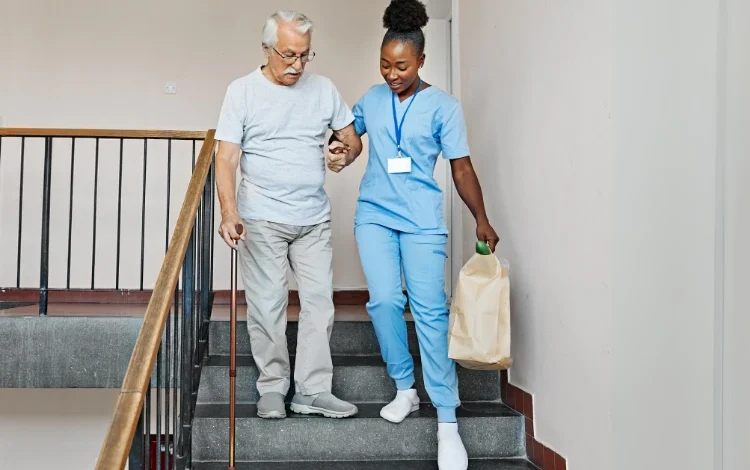
As people age, their health needs often become more complex. Seniors may face multiple medical conditions, mobility challenges, and emotional changes that require specialized care. This is where geriatric care management plays a crucial role. It is a professional service designed to help older adults receive coordinated and personalized health care.
Families often struggle to manage the healthcare needs of aging loved ones, especially when dealing with multiple doctors, medications, and care providers. Geriatric care management provides expert guidance to ensure seniors receive the right care at the right time.
This guide explains the concept, services, benefits, and importance of geriatric care management in supporting the health and well-being of older adults.
What Is Geriatric Care Management?
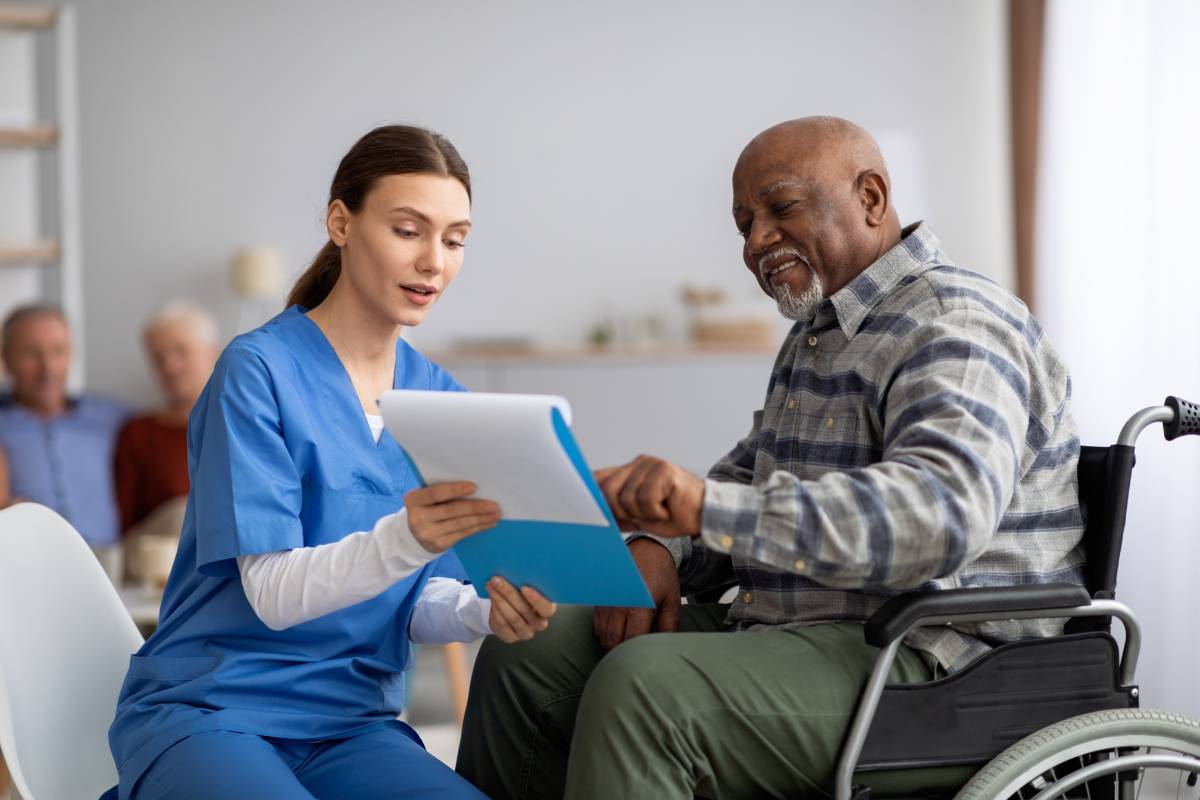
Geriatric care management is a specialized service that focuses on assessing, planning, and coordinating healthcare and daily living needs for elderly individuals. It is usually provided by trained professionals such as nurses, social workers, or healthcare specialists who understand the unique challenges of aging.
The primary goal of this service is to improve the quality of life for seniors while ensuring they receive proper medical and personal care.
Why Senior Health Care Is Important
As people grow older, they become more vulnerable to chronic illnesses, mobility issues, and cognitive decline. Proper healthcare support helps seniors maintain independence and live safely.
Without structured support, older adults may face difficulties managing medications, attending medical appointments, or maintaining a healthy lifestyle.
Growing Need for Elderly Care Services
The global population of older adults is increasing rapidly. With longer life expectancy, more families are seeking professional assistance to manage elderly care effectively.
Services like geriatric care management help bridge the gap between medical care and everyday living support.
Understanding the Role of Geriatric Care Managers

Who Are Geriatric Care Managers?
Geriatric care managers are professionals trained to assist seniors and their families in navigating healthcare systems and managing aging-related challenges.
They typically have backgrounds in nursing, social work, or gerontology and specialize in elderly care planning.
Responsibilities of a Care Manager
A geriatric care manager performs several important tasks, including:
-
Conducting health and lifestyle assessments
-
Creating personalized care plans
-
Coordinating medical services
-
Monitoring ongoing health conditions
-
Providing emotional support to families
These professionals act as advocates for seniors, ensuring their needs are met effectively.
How Care Managers Support Families
Families often feel overwhelmed when caring for aging relatives. A care manager helps reduce this burden by providing guidance and coordinating care services.
Through geriatric care management, families gain access to professional expertise and resources that improve decision-making.
Key Services Included in Geriatric Care Management
The services offered in geriatric care management vary depending on the needs of the senior and their family.
Health Assessment and Care Planning
The first step usually involves a comprehensive health assessment. This includes evaluating the senior’s physical health, mental status, living conditions, and support system.
Based on this evaluation, the care manager develops a personalized care plan.
Medication Management
Many seniors take multiple medications, which increases the risk of errors or drug interactions. Care managers help ensure medications are taken correctly and safely.
Coordination with Healthcare Providers
Care managers coordinate with doctors, therapists, and other healthcare professionals to ensure seniors receive consistent and effective treatment.
Home Care and Assisted Living Support
When seniors require additional assistance, care managers help arrange services such as:
-
Home health aides
-
Nursing care
-
Rehabilitation therapy
-
Assisted living placement
Benefits of Geriatric Care Management for Seniors

Professional care coordination provides numerous advantages for elderly individuals.
Personalized Health Care Plans
Every senior has unique needs. Geriatric care management ensures that care plans are tailored to individual health conditions, preferences, and lifestyle.
Improved Quality of Life
With proper medical attention and daily living support, seniors can maintain independence and enjoy a better quality of life.
Better Medical Coordination
Multiple healthcare providers can sometimes lead to confusion or communication gaps. Care managers ensure all providers work together effectively.
Benefits of Geriatric Care Management for Families
Family members also benefit significantly from professional elderly care services.
Reduced Caregiver Stress
Caring for an aging parent can be emotionally and physically demanding. Professional assistance helps reduce stress and burnout.
Expert Guidance
Families receive expert advice on healthcare decisions, treatment options, and long-term care planning.
Peace of Mind
Knowing that a trained professional is overseeing their loved one’s care provides reassurance and peace of mind.
Common Health Issues in Older Adults
Older adults often face various health challenges that require ongoing medical attention.
Chronic Diseases
Many seniors live with chronic conditions such as:
-
Heart disease
-
Diabetes
-
Arthritis
-
High blood pressure
Regular monitoring and proper treatment are essential for managing these conditions.
Cognitive Disorders
Conditions such as dementia and memory loss become more common with age. These disorders require specialized care and supervision.
Mobility and Fall Risks
Reduced mobility and balance problems increase the risk of falls. Preventive measures can help ensure safety.
Table: Common Senior Health Challenges and Solutions
| Health Issue | Description | Possible Care Approach |
|---|---|---|
| Chronic Illness | Long-term medical conditions | Regular monitoring and medication |
| Memory Loss | Cognitive decline or dementia | Specialized memory care |
| Mobility Issues | Difficulty walking or moving | Physical therapy and assistive devices |
| Medication Errors | Incorrect medication use | Medication management support |
| Social Isolation | Lack of social interaction | Community engagement programs |
How Geriatric Care Management Improves Senior Health
Programs focused on elderly care take a preventive and holistic approach to health.
Preventive Healthcare Strategies
Preventive care helps detect potential health problems early. Regular health screenings and lifestyle guidance reduce risks.
Monitoring Physical and Mental Health
Continuous monitoring ensures that changes in health conditions are identified quickly.
Ensuring Safe Living Environments
Safety assessments help reduce risks in the home environment by identifying hazards and recommending modifications.
Choosing the Right Geriatric Care Management Services

Selecting the right care provider is an important decision for families.
Important Factors to Consider
When choosing a service provider, consider:
-
Professional qualifications
-
Experience in elderly care
-
Range of services offered
-
Communication and support
Questions to Ask a Care Manager
Before hiring a care manager, families should ask questions such as:
-
What services do you provide?
-
How do you develop care plans?
-
How often do you monitor patients?
-
What are the costs involved?
Cost and Insurance Considerations
Costs may vary depending on services and location. Some healthcare insurance plans may partially cover certain services.
Tips for Supporting Aging Loved Ones
Families can take several steps to support elderly relatives and promote healthy aging.
Encourage Healthy Lifestyle Habits
A healthy lifestyle helps seniors maintain physical and mental well-being. This includes balanced nutrition, exercise, and adequate sleep.
Maintain Social Connections
Social interaction plays an important role in emotional health. Encouraging seniors to stay connected with friends and community groups can reduce loneliness.
Regular Medical Checkups
Routine health checkups help detect problems early and ensure ongoing health monitoring.
Quick Facts About Geriatric Care Management
What is geriatric care management?
It is a professional service that coordinates healthcare and support services for older adults.
Who provides geriatric care management?
Trained professionals such as nurses, social workers, or gerontology specialists provide these services.
What are the main benefits?
It improves healthcare coordination, enhances quality of life, and reduces stress for families.
When should families consider it?
Families may consider it when seniors have complex medical needs or require assistance with daily activities.
When to Consider Geriatric Care Management
Families should consider professional elderly care support when they notice signs such as:
-
Difficulty managing medications
-
Frequent hospital visits
-
Memory loss or confusion
-
Declining physical mobility
-
Increased caregiver stress
Seeking support early can help prevent complications and ensure seniors receive appropriate care.
Conclusion
Aging brings many challenges that require specialized healthcare support. Geriatric care management provides a structured approach to coordinating medical care, lifestyle support, and emotional well-being for older adults.
By combining professional expertise with personalized care plans, this service helps seniors maintain independence and enjoy a higher quality of life. It also provides families with guidance, support, and peace of mind.
As the global population continues to age, services like geriatric care management will become increasingly important in ensuring that seniors receive compassionate and effective healthcare.
Read More:-Right Heart Catheterization Explained: Procedure, Uses And Risks