

Introduction
Heart and lung diseases are among the most common health conditions worldwide. To diagnose and manage these conditions accurately, doctors often rely on specialized diagnostic procedures. One such important test is right heart catheterization, a medical procedure used to measure pressure and blood flow in the heart and lungs.
This diagnostic procedure plays a key role in identifying several cardiovascular and pulmonary disorders. By providing detailed information about how the right side of the heart functions, right heart catheterization helps doctors develop effective treatment plans.
In this comprehensive guide, we will explore the purpose, procedure, benefits, risks, and recovery process associated with right heart catheterization.
What Is Right Heart Catheterization?

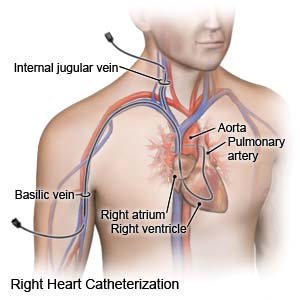
Right heart catheterization is a medical procedure used to measure pressure and oxygen levels in the right side of the heart and the pulmonary arteries. It involves inserting a thin flexible tube called a catheter into a vein and guiding it toward the heart.
Doctors use this procedure to evaluate how well the heart pumps blood and how effectively the lungs receive oxygenated blood.
Why This Procedure Is Important
The right side of the heart pumps blood to the lungs for oxygenation. If there is a problem with this process, it can lead to serious conditions such as pulmonary hypertension or heart failure.
This test provides valuable data that cannot always be obtained through non-invasive imaging tests like echocardiograms.
Conditions Diagnosed Using the Procedure
Doctors commonly use this test to diagnose and monitor conditions such as:
-
Pulmonary hypertension
-
Heart failure
-
Congenital heart defects
-
Valve disorders
-
Lung-related heart complications
Understanding How the Heart Works

To understand the purpose of this test, it is important to know how the heart functions.
Structure of the Right Side of the Heart
The right side of the heart consists of two chambers:
-
Right atrium
-
Right ventricle
The right atrium receives deoxygenated blood from the body, while the right ventricle pumps it into the lungs through the pulmonary artery.
Role of the Lungs in Blood Circulation
After blood leaves the right ventricle, it travels to the lungs where it receives oxygen. The oxygen-rich blood then returns to the left side of the heart to be pumped throughout the body.
Importance of Healthy Blood Flow
If pressure within the heart or lungs becomes abnormal, it may indicate cardiovascular or pulmonary disease. Right heart catheterization allows doctors to measure these pressures accurately.
Purpose of Right Heart Catheterization
This diagnostic test serves several medical purposes.
Diagnosing Heart and Lung Conditions
Doctors use this test to detect diseases that affect blood circulation between the heart and lungs.
Measuring Heart Pressure and Oxygen Levels
The catheter measures pressure levels in:
-
Right atrium
-
Right ventricle
-
Pulmonary artery
It also measures oxygen levels in the blood to assess how efficiently the heart and lungs function.
Evaluating Heart Function
By analyzing pressure readings and blood flow patterns, doctors can determine whether the heart is pumping effectively.
Conditions Diagnosed with Right Heart Catheterization

Several serious health conditions can be diagnosed using this procedure.
Pulmonary Hypertension
Pulmonary hypertension is a condition where blood pressure in the pulmonary arteries becomes abnormally high. Right heart catheterization is considered the gold standard test for diagnosing this disease.
Heart Failure
In heart failure, the heart cannot pump blood efficiently. This test helps measure pressure changes that indicate heart dysfunction.
Congenital Heart Defects
Some individuals are born with structural abnormalities in the heart. This procedure helps doctors evaluate these defects and determine treatment options.
Preparation for Right Heart Catheterization
Proper preparation ensures the procedure is safe and effective.
Medical Tests Before the Procedure
Doctors may perform several tests before the procedure, including:
-
Blood tests
-
Chest X-rays
-
Electrocardiogram (ECG)
-
Echocardiogram
These tests provide preliminary information about heart health.
Medication Instructions
Patients may need to adjust certain medications before undergoing right heart catheterization, especially blood thinners.
Fasting Requirements
In most cases, patients are advised not to eat or drink for several hours before the procedure.
Step-by-Step Procedure of Right Heart Catheterization
The procedure is usually performed in a hospital catheterization laboratory.
Insertion of the Catheter
A doctor inserts a thin catheter into a large vein, typically in the neck, arm, or groin. The catheter is then carefully guided toward the heart using imaging technology.
Measuring Heart Pressure
Once the catheter reaches the heart, specialized instruments measure pressure in various heart chambers and blood vessels.
Duration of the Procedure
The entire procedure usually takes 30 to 60 minutes and is typically performed under local anesthesia.
Table: Key Measurements During the Procedure
| Measurement | Purpose | What It Indicates |
|---|---|---|
| Right Atrial Pressure | Measures pressure in the right atrium | Heart function and blood flow |
| Right Ventricular Pressure | Measures pressure in the right ventricle | Pumping efficiency |
| Pulmonary Artery Pressure | Measures lung circulation pressure | Pulmonary hypertension |
| Oxygen Saturation | Measures oxygen levels in blood | Lung function and blood flow |
Risks and Possible Complications
Although the procedure is generally safe, some risks may occur.
Common Side Effects
Most patients experience only mild side effects such as:
-
Minor bruising at the catheter insertion site
-
Temporary discomfort
-
Mild swelling
Rare but Serious Complications
In rare cases, complications may include:
-
Infection
-
Blood clots
-
Abnormal heart rhythms
-
Damage to blood vessels
Doctors carefully monitor patients to minimize these risks.
Recovery After the Procedure
Recovery from this diagnostic test is usually quick.
Immediate Post-Procedure Care
Patients are monitored for several hours after the procedure to ensure there are no complications.
Activity Restrictions
Patients are often advised to avoid heavy physical activity for a short period after right heart catheterization.
Follow-Up Appointments
Doctors review the results and discuss treatment options during follow-up visits.
Benefits of Right Heart Catheterization

This diagnostic procedure offers several important benefits.
Accurate Diagnosis
It provides precise measurements that help doctors diagnose heart and lung diseases more accurately.
Improved Treatment Planning
The results help doctors determine the best treatment options for each patient.
Monitoring Disease Progression
Doctors may repeat the test to monitor how well treatments are working.
Quick Facts About Right Heart Catheterization
What is right heart catheterization?
It is a diagnostic procedure used to measure pressure and blood flow in the right side of the heart and pulmonary arteries.
Why is it performed?
Doctors perform it to diagnose conditions such as pulmonary hypertension, heart failure, and congenital heart defects.
Is the procedure painful?
Most patients experience minimal discomfort because local anesthesia is used.
How long does recovery take?
Recovery usually takes a few hours to a day depending on the patient’s condition.
Understanding Test Results
The results of right heart catheterization provide important information about heart and lung function.
Normal Pressure Levels
Normal pressure readings indicate that blood flow through the heart and lungs is functioning properly.
Abnormal Results
Abnormal pressure readings may indicate conditions such as pulmonary hypertension or heart valve disorders.
Doctors interpret these results along with other tests to determine the correct diagnosis.
When Doctors Recommend This Procedure
Doctors may recommend this procedure if patients experience symptoms such as:
-
Shortness of breath
-
Chest discomfort
-
Fatigue
-
Swelling in the legs
-
Unexplained heart problems
In such cases, right heart catheterization provides essential diagnostic information.
Conclusion
Heart and lung diseases require accurate diagnosis to ensure effective treatment. Right heart catheterization is an important medical procedure that helps doctors evaluate heart function and blood circulation.
By measuring pressure and oxygen levels within the heart and pulmonary arteries, this test provides valuable insights into cardiovascular health. Although it may sound complex, the procedure is generally safe and provides critical information that helps doctors diagnose and manage serious medical conditions.
With proper preparation, professional medical care, and timely diagnosis, patients can benefit greatly from the insights provided by right heart catheterization.
Read More:-Urinary Catheterization Procedure: Step-by-Step Medical Guide