


In today’s fast-paced world, skincare has become more than just a beauty routine. People are increasingly looking for solutions that address their unique skin concerns rather than relying on generic products and treatments. This is where personal touch skincare stands out. It focuses on understanding individual skin needs and creating customized routines that deliver better and more consistent results.
Every person’s skin is different. Factors such as age, climate, lifestyle, genetics, and diet all influence skin health. A product that works perfectly for one person may not be effective for another. The concept of personal touch skincare revolves around recognizing these differences and tailoring skincare practices accordingly. Instead of following trends blindly, individuals learn to care for their skin based on its specific requirements.
A personalized skincare approach not only enhances skin appearance but also promotes long-term health. Whether someone struggles with dryness, acne, sensitivity, or signs of aging, customized care can help address these issues effectively. Understanding the principles behind this approach is the first step toward achieving healthier and more radiant skin.
Understanding Personal Touch Skincare
The idea behind personal touch skincare is simple yet highly effective. It involves creating skincare routines based on an individual’s skin type, concerns, and goals. Rather than using a one-size-fits-all solution, personalized skincare takes a detailed look at what the skin truly needs.
Many people spend money on multiple products hoping for quick results. Unfortunately, this often leads to irritation, breakouts, or disappointment. Personalized skincare eliminates much of the guesswork by focusing on ingredients and treatments suitable for specific skin conditions.
Key factors considered in personalized skincare include:
- Skin type
- Age
- Environmental exposure
- Existing skin conditions
- Daily habits
- Hydration levels
- Sensitivity concerns
When these elements are taken into account, skincare routines become more effective and sustainable. The ultimate goal is to maintain balance and support the skin’s natural functions rather than overwhelming it with unnecessary products.
Why Personalized Skincare Matters
Skincare is not merely about improving appearance; it also contributes to overall skin health. Personalized routines help individuals avoid common mistakes that can damage the skin barrier.
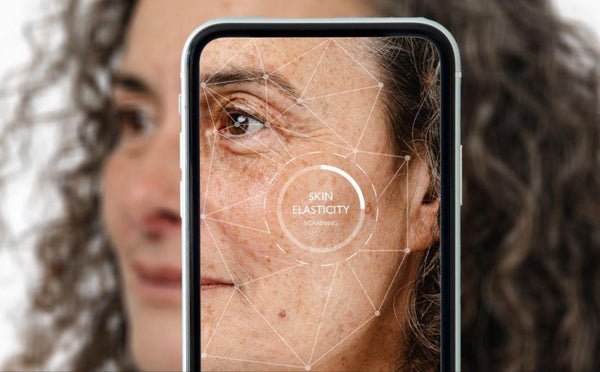
One major advantage of personal touch skincare is its ability to target specific concerns. For example, oily skin requires different products than dry skin. Similarly, mature skin often benefits from ingredients that promote elasticity and hydration.
Benefits of personalized skincare include:
- Better product compatibility
- Reduced risk of irritation
- Improved hydration
- More effective acne management
- Enhanced skin texture
- Healthier complexion
- Long-term skin maintenance
By focusing on personal needs, individuals can achieve noticeable improvements while minimizing unnecessary complications. This makes skincare more rewarding and cost-effective in the long run.
Identifying Your Skin Type
Knowing your skin type is one of the most important aspects of creating a successful skincare routine. Without this knowledge, selecting appropriate products becomes difficult.
Common Skin Types
| Skin Type | Characteristics | Recommended Focus |
|---|---|---|
| Normal | Balanced and healthy | Maintenance and protection |
| Dry | Flaky and tight | Hydration and nourishment |
| Oily | Excess shine and enlarged pores | Oil control and cleansing |
| Combination | Oily and dry areas | Balanced care |
| Sensitive | Easily irritated | Gentle ingredients |
Understanding these categories helps individuals build a foundation for effective personal touch skincare practices. Once skin type is identified, choosing suitable cleansers, moisturizers, and treatments becomes much easier.
Building a Personalized Skincare Routine
A customized skincare routine should be simple, consistent, and targeted toward individual needs. The best routines focus on essential steps rather than excessive product use.
Step 1: Cleansing
Cleansing removes dirt, oil, and environmental pollutants. A gentle cleanser helps maintain the skin barrier while keeping pores clean.
Step 2: Toning
Toners prepare the skin for additional products. Depending on skin concerns, they may provide hydration, soothing effects, or oil control.
Step 3: Treatment Products
Serums and targeted treatments address specific issues such as acne, pigmentation, or fine lines. These products often contain concentrated active ingredients.
Step 4: Moisturizing
Moisturizers support hydration and strengthen the skin barrier. Every skin type benefits from proper moisturization.
Step 5: Sun Protection
Daily sunscreen use is essential. Protection from UV rays helps prevent premature aging and skin damage.
Following these steps consistently forms the foundation of successful personal touch skincare routines.
The Role of Natural Ingredients
Natural ingredients have become increasingly popular in skincare due to their gentle and nourishing properties. Many people prefer products containing botanical extracts, plant oils, and naturally derived compounds.

Popular natural skincare ingredients include:
- Aloe vera
- Green tea extract
- Chamomile
- Rosehip oil
- Jojoba oil
- Honey
- Oat extract
These ingredients often provide hydration, soothing effects, and antioxidant protection. However, personalization remains important because natural ingredients may not suit everyone equally.
A thoughtful approach ensures that selected ingredients align with specific skin needs and goals.
Lifestyle Habits That Influence Skin Health
Even the most advanced skincare routine cannot compensate for unhealthy lifestyle habits. Skin health is closely connected to overall wellness.
Important lifestyle factors include:
Nutrition
A balanced diet rich in fruits, vegetables, healthy fats, and proteins supports skin repair and vitality.
Hydration
Adequate water intake helps maintain moisture levels and promotes a healthy complexion.
Sleep
Quality sleep allows the skin to repair and regenerate. Poor sleep can contribute to dullness and premature aging.
Stress Management
Chronic stress may trigger acne breakouts, inflammation, and other skin concerns.
Physical Activity
Regular exercise improves circulation and contributes to a natural glow.
Combining healthy habits with personal touch skincare practices creates a powerful strategy for achieving long-term skin health.
Common Skincare Mistakes to Avoid
Many people unknowingly damage their skin by following ineffective or harmful practices. Recognizing these mistakes can significantly improve results.

Over-Cleansing
Excessive cleansing strips the skin of natural oils and disrupts the protective barrier.
Using Too Many Products
Layering numerous products can cause irritation and confusion about what works.
Ignoring Sunscreen
Sun damage remains one of the leading causes of premature aging and pigmentation.
Following Trends Blindly
Popular products may not suit every skin type or concern.
Inconsistent Routine
Skincare requires patience and consistency. Frequent changes often prevent visible progress.
Avoiding these mistakes allows personal touch skincare strategies to work more effectively and safely.
Skincare for Different Age Groups
Skin needs evolve over time, making age-specific adjustments important.
Teenagers
Focus on gentle cleansing, oil control, and acne prevention.
Adults in Their 20s and 30s
Prioritize hydration, prevention, and sun protection.
Adults in Their 40s and 50s
Introduce ingredients that support elasticity and reduce visible aging signs.
Seniors
Emphasize deep hydration, barrier support, and gentle care.
Personalized routines should adapt to these changing requirements while maintaining consistency and simplicity.
Benefits of Long-Term Personalized Skincare
Consistency is often the key difference between temporary improvements and lasting results. Individuals who follow customized skincare routines over time typically experience significant benefits.
Long-term advantages include:
- Improved skin texture
- More balanced moisture levels
- Reduced breakouts
- Enhanced confidence
- Healthier skin barrier
- Better protection against environmental damage
- Slower appearance of aging signs
The strength of personal touch skincare lies in its ability to evolve with changing needs while maintaining focus on individual goals.
How Technology Supports Personalized Skincare
Modern technology has transformed the skincare industry. Advanced tools and assessments help individuals understand their skin more accurately than ever before.
Innovations include:
- Skin analysis devices
- Mobile skincare apps
- AI-powered recommendations
- Personalized product formulations
- Online consultations
These advancements make personal touch skincare more accessible and precise. Consumers can now receive recommendations tailored specifically to their skin characteristics and concerns.
As technology continues to evolve, personalized skincare solutions are expected to become even more sophisticated and effective.
Conclusion
The growing popularity of personal touch skincare reflects a shift toward individualized beauty and wellness solutions. Rather than relying on generic routines, people are embracing customized approaches that consider their unique skin types, concerns, lifestyles, and goals.


