


Oily skin can be both a blessing and a challenge. While excess oil helps keep the skin naturally moisturized and may reduce the appearance of fine lines over time, it can also lead to clogged pores, acne breakouts, enlarged pores, and an unwanted shiny appearance. Many people struggle to find products that control oil without making their skin dry or irritated. Choosing the best skincare for oily skin is essential for maintaining a healthy complexion while preventing common skin concerns.
A consistent skincare routine combined with the right ingredients can significantly improve oily skin. Instead of trying to eliminate oil completely, the goal should be to balance sebum production while keeping the skin hydrated and protected. This guide explains everything you need to know about caring for oily skin, including the best ingredients, daily routines, common mistakes, and expert tips.
Understanding Oily Skin
Oily skin occurs when the sebaceous glands produce more sebum than necessary. Sebum is a natural oil that protects and moisturizes the skin, but excessive production can create several skin concerns.
Common characteristics of oily skin include:
- Persistent facial shine
- Enlarged pores
- Frequent acne and blackheads
- Makeup that slides off quickly
- Greasy feeling by midday
Several factors contribute to oily skin, including genetics, hormonal changes, humidity, stress, and using unsuitable skincare products. Understanding the cause of excess oil is the first step toward choosing the right skincare routine.
Why Choosing the Right Skincare Matters
Many people mistakenly believe oily skin doesn’t need moisturizer or hydration. In reality, dehydrated skin often produces even more oil to compensate for moisture loss. Therefore, selecting the best skincare for oily skin means finding lightweight, non-comedogenic products that balance oil production without clogging pores.
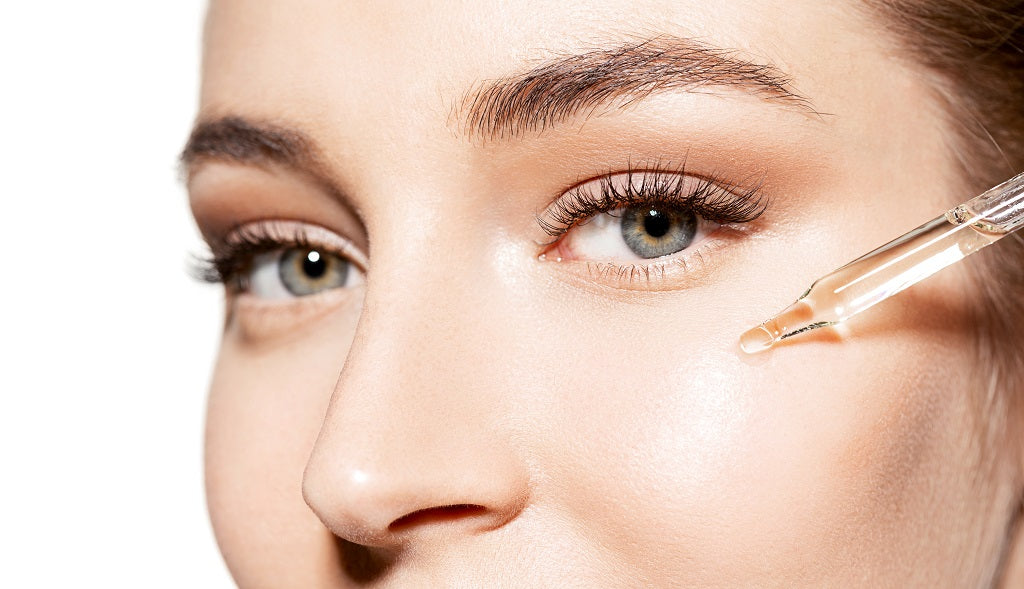
The right skincare routine helps:
- Control excess oil
- Reduce acne breakouts
- Minimize enlarged pores
- Improve skin texture
- Maintain hydration
- Protect against environmental damage
Consistency is far more important than using numerous products.
Essential Morning Skincare Routine
1. Gentle Cleanser
Start the day with a mild foaming cleanser that removes excess oil without stripping the skin’s natural barrier.
Look for ingredients like:
- Salicylic Acid
- Green Tea Extract
- Niacinamide
- Zinc PCA
Avoid harsh soaps because they may trigger increased oil production.
2. Lightweight Toner
Alcohol-free toners help remove leftover impurities while preparing the skin for additional products.
Beneficial ingredients include:
- Witch Hazel
- Niacinamide
- Hyaluronic Acid
- Chamomile
3. Oil-Free Serum
Serums provide concentrated active ingredients without feeling heavy.
Popular choices include:
- Niacinamide Serum
- Vitamin C Serum
- Hyaluronic Acid Serum
4. Moisturizer
Even oily skin requires hydration.
Choose moisturizers that are:
- Gel-based
- Oil-free
- Non-comedogenic
- Lightweight
5. Sunscreen
Daily SPF is essential regardless of skin type.
Choose:
- SPF 30 or higher
- Matte finish
- Oil-free formula
- Non-greasy texture
Nighttime Skincare Routine
Nighttime is when skin naturally repairs itself, making it the perfect opportunity to use treatment products.

A simple evening routine includes:
- Remove sunscreen and makeup.
- Cleanse thoroughly.
- Apply treatment serum.
- Moisturize with a lightweight gel cream.
People dealing with acne may also include retinol or salicylic acid several nights each week under professional guidance.
Best Ingredients for Oily Skin
The effectiveness of skincare depends more on ingredients than expensive branding.
| Ingredient | Main Benefit | Best For |
|---|---|---|
| Niacinamide | Controls oil production | Daily use |
| Salicylic Acid | Unclogs pores | Acne-prone skin |
| Hyaluronic Acid | Hydrates without oil | Dehydrated oily skin |
| Zinc PCA | Reduces sebum | Oily skin |
| Green Tea Extract | Calms inflammation | Sensitive oily skin |
| Retinol | Improves texture | Night routine |
| Vitamin C | Brightens skin | Uneven skin tone |
| Clay | Absorbs excess oil | Weekly masks |
Including these ingredients consistently can dramatically improve skin health over time.
Weekly Treatments for Better Results
Besides your daily routine, weekly treatments help maintain clearer skin.
Clay Masks
Clay absorbs excess oil and removes impurities from deep inside pores.
Use:
- Once or twice weekly
- After cleansing
- Follow with moisturizer
Chemical Exfoliation
Chemical exfoliants are generally safer than physical scrubs for oily skin.
Popular acids include:
- Salicylic Acid
- Glycolic Acid
- Lactic Acid
Limit exfoliation to two or three times each week.
Common Mistakes to Avoid
Even the best skincare for oily skin won’t work if common mistakes continue.
Avoid these habits:
- Washing the face too often
- Skipping moisturizer
- Using alcohol-heavy products
- Picking pimples
- Sleeping with makeup
- Over-exfoliating
- Frequently touching the face
Healthy skincare focuses on balance rather than aggressively removing oil.
How Diet Affects Oily Skin
Although skincare products play a significant role, nutrition also affects skin health.
Foods that support healthy skin include:
- Fresh fruits
- Leafy vegetables
- Whole grains
- Nuts
- Fatty fish
- Plenty of water
Try limiting:
- Sugary drinks
- Processed snacks
- Excess dairy if it triggers breakouts
- Deep-fried foods
A balanced diet complements the best skincare for oily skin by reducing inflammation and supporting skin repair.
Lifestyle Tips for Healthier Skin
Small daily habits often produce noticeable improvements.
Healthy habits include:
- Sleeping 7–9 hours each night
- Exercising regularly
- Managing stress
- Changing pillowcases weekly
- Cleaning makeup brushes
- Drinking enough water
- Avoiding smoking
These habits reduce bacteria, inflammation, and excess oil buildup.
How to Choose Products for Oily Skin
Shopping for skincare can feel overwhelming because countless products claim to control oil.
Look for labels such as:
- Oil-Free
- Non-Comedogenic
- Fragrance-Free
- Lightweight
- Dermatologist Tested
Avoid heavy creams containing excessive oils if your skin is naturally very oily.
Reading ingredient lists is often more useful than relying on marketing claims.
Seasonal Skincare Adjustments
Oily skin behaves differently throughout the year.
Summer
During hot weather:
- Use lightweight gel moisturizers.
- Cleanse twice daily.
- Reapply sunscreen.
- Carry blotting papers.
Winter
Cold weather can dehydrate oily skin.
During winter:
- Continue moisturizing.
- Reduce exfoliation if irritation develops.
- Use hydrating serums.
Adjusting your routine seasonally helps maintain consistent skin health.
How Long Before Results Appear?
Many people expect overnight improvements, but skincare requires patience.
Typical timelines include:
- 2–4 weeks for improved hydration
- 4–6 weeks for reduced oiliness
- 6–12 weeks for acne improvement
- Several months for smoother texture
Consistency matters far more than constantly switching products.
Following the best skincare for oily skin every day allows ingredients enough time to deliver visible improvements.
Signs Your Routine Is Working
Positive signs include:
- Less midday shine
- Smaller-looking pores
- Fewer breakouts
- Softer skin texture
- Better makeup wear
- Reduced redness
If irritation, peeling, or worsening acne continues for several weeks, consider consulting a dermatologist.
Expert Tips for Long-Term Success
Building healthy skin takes patience and consistency.
Remember these expert recommendations:
- Introduce only one new product at a time.
- Always patch-test active ingredients.
- Wear sunscreen every day.
- Stay hydrated.
- Avoid harsh scrubs.
- Be patient with treatment products.
- Keep your skincare routine simple.
Using the best skincare for oily skin doesn’t require dozens of products. A carefully selected routine with effective ingredients often produces better results than an expensive, complicated regimen.
Conclusion
Managing oily skin is not about eliminating every trace of oil but maintaining the right balance between hydration and oil control. A consistent routine built around gentle cleansing, lightweight moisturizers, targeted treatment serums, and daily sun protection can dramatically improve skin health over time. Incorporating beneficial ingredients like niacinamide, salicylic acid, hyaluronic acid, and zinc helps reduce shine, minimize breakouts, and strengthen the skin barrier without causing dryness.
Read more: Invisible Braces: The Complete Guide to a Confident and Beautiful Smile


