


Vitamin D is one of the most essential nutrients your body needs to stay healthy. It plays a critical role in maintaining strong bones, healthy muscles, a well-functioning immune system, and even mental well-being. Despite its importance, vitamin D deficiency has become increasingly common worldwide due to indoor lifestyles, limited sun exposure, unhealthy eating habits, and certain medical conditions.
Many people experience symptoms for months or even years without realizing that low vitamin D levels are the underlying cause. Since the signs often develop gradually, they are frequently mistaken for stress, aging, or general fatigue. Understanding vitamin d deficiency symptoms can help you identify the problem early and seek proper treatment before complications arise. In this comprehensive guide, you’ll learn about the causes, symptoms, diagnosis, treatment options, and practical ways to prevent vitamin D deficiency while improving your overall health.
What Is Vitamin D and Why Is It Important?
Vitamin D is a fat-soluble vitamin that helps the body absorb calcium and phosphorus, two minerals essential for healthy bones and teeth. Unlike most vitamins, your body can produce vitamin D naturally when your skin is exposed to sunlight.
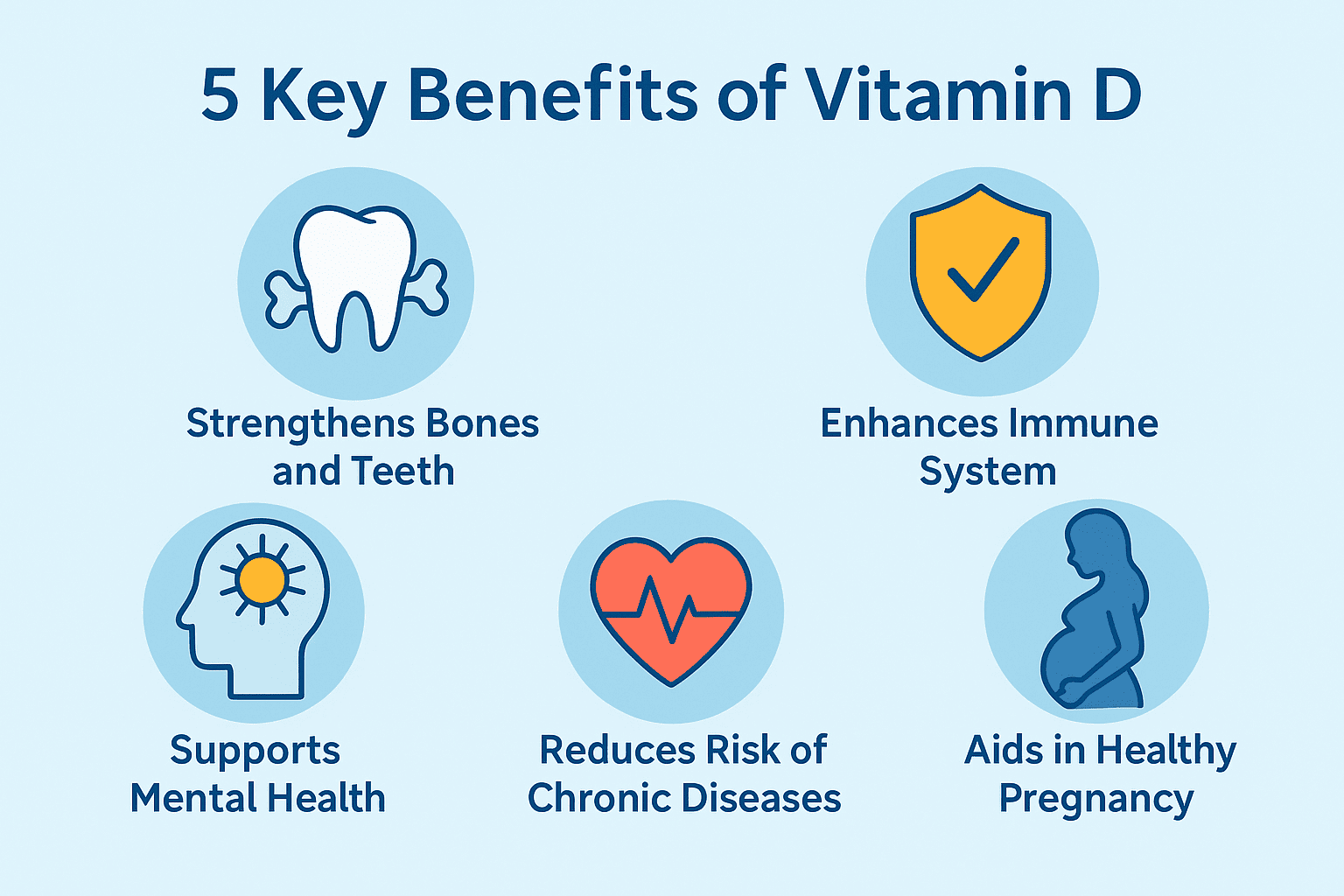
Beyond bone health, vitamin D supports muscle function, regulates immune responses, promotes healthy cell growth, and contributes to brain function. Researchers have also found connections between vitamin D levels and mood, cardiovascular health, and immune strength.
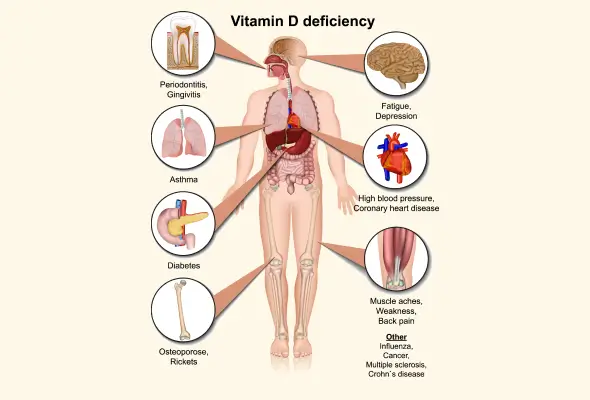
When your body lacks sufficient vitamin D, these essential processes begin to suffer. Over time, vitamin d deficiency symptoms may appear gradually and affect your quality of life. Because the body stores vitamin D, deficiency usually develops slowly, making regular awareness and preventive care especially important.
Common Causes of Vitamin D Deficiency
Vitamin D deficiency can result from multiple factors, and often more than one cause contributes to low levels. Modern lifestyles have significantly increased the risk because many people spend most of their day indoors.
Some of the most common causes include:
- Limited exposure to sunlight
- Wearing clothing that covers most of the skin
- Regular use of high-SPF sunscreen
- Poor dietary intake of vitamin D
- Aging, which reduces vitamin D production
- Obesity
- Kidney or liver disorders
- Digestive diseases such as Crohn’s disease or celiac disease
- Certain medications that interfere with vitamin D metabolism
Recognizing these risk factors makes it easier to identify vitamin d deficiency symptoms before they become severe.
Early Vitamin D Deficiency Symptoms
One of the biggest challenges with vitamin D deficiency is that its early symptoms are often mild and easy to overlook. Many people assume these signs are simply due to a busy lifestyle or lack of sleep.
Common early symptoms include:
- Constant tiredness
- Low energy levels
- Muscle weakness
- Mild back pain
- Frequent headaches
- Difficulty concentrating
- Mood changes
- Feeling less productive throughout the day
These early vitamin d deficiency symptoms should not be ignored, especially if they persist for several weeks or months.
Advanced Vitamin D Deficiency Symptoms
If vitamin D deficiency continues untreated, more noticeable and serious health problems may develop. These symptoms can affect both physical and mental health.
Some advanced symptoms include:
- Persistent bone pain
- Muscle cramps
- Difficulty climbing stairs
- Increased risk of fractures
- Poor balance
- Slow wound healing
- Hair thinning
- Frequent infections
- Weak immune function
Children with severe deficiency may experience delayed growth and soft bones, while older adults face a higher risk of falls and osteoporosis. Long-term vitamin d deficiency symptoms can significantly reduce mobility and overall quality of life.
Who Is Most at Risk?
Although anyone can develop vitamin D deficiency, some groups are more vulnerable than others due to lifestyle, age, or medical conditions.
High-risk groups include:
- Older adults
- Pregnant and breastfeeding women
- Infants
- People with obesity
- Individuals with darker skin
- Office workers
- People living in areas with limited sunlight
- Individuals with kidney or liver disease
- People with digestive disorders
People in these categories should monitor vitamin d deficiency symptoms closely and discuss screening with their healthcare provider if necessary.
How Is Vitamin D Deficiency Diagnosed?
Doctors usually diagnose vitamin D deficiency through a simple blood test called the 25-Hydroxy Vitamin D Test. This test measures the amount of vitamin D circulating in your bloodstream.
Additional tests may also be recommended depending on your symptoms.
| Test | Purpose |
|---|---|
| 25-Hydroxy Vitamin D Test | Measures vitamin D levels |
| Calcium Blood Test | Checks calcium levels |
| Phosphorus Test | Evaluates phosphorus balance |
| Bone Density Scan | Assesses bone strength |
| Kidney Function Test | Identifies underlying conditions |
Early diagnosis allows treatment to begin before vitamin d deficiency symptoms become more severe.
Foods Rich in Vitamin D
Although sunlight remains the primary natural source, certain foods can help improve vitamin D intake.
Good dietary sources include:
- Fatty fish (salmon, tuna, sardines, mackerel)
- Egg yolks
- Fortified milk
- Fortified breakfast cereals
- Yogurt
- Cheese
- Mushrooms exposed to UV light
- Fortified orange juice
Combining a healthy diet with regular sunlight exposure is one of the best ways to reduce vitamin d deficiency symptoms naturally.
Treatment for Vitamin D Deficiency
Treatment depends on how low your vitamin D levels are and your overall health. Mild deficiency may improve with lifestyle changes, while severe deficiency often requires supplements prescribed by a healthcare provider.
Treatment options include:
- Daily sunlight exposure (15–30 minutes)
- Vitamin D-rich foods
- Prescription vitamin D supplements
- Calcium supplements if recommended
- Regular physical activity
- Follow-up blood tests
Most people notice gradual improvement in vitamin d deficiency symptoms within a few weeks or months after beginning appropriate treatment.
How to Prevent Vitamin D Deficiency
Preventing vitamin D deficiency is often easier than treating it. A few healthy habits can significantly reduce your risk.
Here are some practical prevention tips:
- Spend time outdoors every day.
- Eat a balanced diet rich in vitamin D.
- Exercise regularly.
- Maintain a healthy body weight.
- Follow your doctor’s advice regarding supplements.
- Get routine health checkups if you’re at high risk.
- Avoid unnecessary prolonged indoor living.
These habits help maintain healthy vitamin D levels and reduce the likelihood of developing vitamin d deficiency symptoms later in life.
Can Too Much Vitamin D Be Harmful?
Yes. While vitamin D is essential, excessive supplementation can lead to vitamin D toxicity. High levels may increase calcium in the blood, causing nausea, vomiting, frequent urination, kidney stones, confusion, and heart rhythm abnormalities.
Never take high-dose vitamin D supplements without medical supervision. Blood testing helps determine the correct dosage and prevents unnecessary risks.
Maintaining the right balance is the safest approach for avoiding both deficiency and excess.
When Should You See a Doctor?
You should consult a healthcare professional if you experience:
- Persistent fatigue
- Ongoing muscle weakness
- Bone or joint pain
- Frequent illnesses
- Difficulty walking
- Unexplained fractures
- Slow recovery from injuries
Early diagnosis and treatment can prevent long-term complications and improve your overall health.
Lifestyle Tips for Better Vitamin D Health
Simple lifestyle changes can make a significant difference in maintaining healthy vitamin D levels.
Some helpful habits include:
- Take a morning walk in sunlight.
- Include vitamin D-rich foods in your daily meals.
- Stay physically active.
- Maintain a healthy weight.
- Sleep 7–8 hours every night.
- Stay hydrated.
- Follow medical advice for supplements if needed.
A healthy lifestyle supports strong bones, better immunity, and improved energy levels.
Conclusion
Vitamin D is essential for maintaining healthy bones, muscles, immunity, and overall well-being. Unfortunately, deficiency is common and often goes unnoticed because the symptoms develop gradually. Understanding vitamin d deficiency symptoms allows you to recognize warning signs early and seek appropriate care before serious complications occur.
Read more: Best Skincare for Oily Skin: The Complete Guide for Healthy, Shine-Free Skin


