


Maintaining a healthy lifestyle does not always mean eating small portions or constantly feeling hungry. Choosing the right foods can help you enjoy satisfying meals while keeping your calorie intake balanced. High volume low calorie foods are foods that contain fewer calories compared to their portion size, allowing you to eat larger amounts while supporting your health goals. These foods are generally rich in water, fiber, vitamins, and minerals, which help increase fullness and improve digestion. Many people include these foods in their daily meals because they make healthy eating easier and more enjoyable. Instead of focusing only on reducing food quantity, choosing foods with more volume and fewer calories can create a better approach to nutrition and weight management.
What Are High Volume Low Calorie Foods?
High volume low calorie foods are foods that provide a large serving size with relatively fewer calories. These foods usually contain high amounts of water and dietary fiber, which add bulk to meals without significantly increasing calorie intake. Vegetables, fruits, soups, and some whole foods are common examples of this category. When you eat foods with more volume, your stomach feels fuller, which may help reduce unnecessary snacking and overeating.
The concept behind these foods is simple: the more space food takes up in your stomach, the more satisfied you may feel after eating. For example, a bowl of vegetables can provide more physical fullness than a small portion of calorie-dense snacks. Including high volume low calorie foods in your meals can help create balanced plates while still allowing you to enjoy generous portions.
Benefits of Eating High Volume Low Calorie Foods
One of the biggest benefits of choosing these foods is improved fullness. Hunger is one of the main reasons people struggle with maintaining healthy eating habits. Foods that contain fiber and water take longer to digest, helping you feel satisfied for a longer time. This can support better portion control and reduce cravings for unhealthy foods.
Another important benefit is improved nutrient intake. Many low-calorie, high-volume foods are packed with essential nutrients such as vitamins, minerals, and antioxidants. For example, leafy greens provide important nutrients while adding very few calories to your meals. These foods also support digestive health because many are naturally high in fiber.
Including high volume low calorie foods regularly can also make meals more colorful and enjoyable. A plate filled with vegetables, fruits, and other nutritious ingredients often provides more variety and satisfaction compared to smaller portions of processed foods.
Leafy Green Vegetables
Leafy green vegetables are among the best choices when looking for filling foods with fewer calories. Vegetables such as spinach, lettuce, kale, and other greens contain a high percentage of water and provide essential nutrients. They can be added to salads, sandwiches, smoothies, soups, and cooked dishes.
These vegetables are naturally low in calories but provide important nutrients like vitamin K, vitamin C, folate, and antioxidants. Because they add volume to meals, they can help make portions appear larger without adding many extra calories. A large bowl of green salad can be a satisfying addition to lunch or dinner.
For people trying to maintain a balanced diet, leafy greens are an easy way to increase food volume. They are versatile, affordable, and simple to include in everyday meals. Adding more greens is one of the easiest strategies for incorporating high volume low calorie foods into your routine.

Fruits With High Water Content
Fruits are another excellent option for increasing meal volume while keeping calories controlled. Many fruits contain a significant amount of water, which helps create a feeling of fullness. Examples include watermelon, strawberries, oranges, apples, and berries.
Fruits also provide natural sweetness, making them a healthier alternative to processed desserts and sugary snacks. The fiber found in whole fruits helps slow digestion and supports stable energy levels throughout the day. Eating fruit as a snack or adding it to meals can satisfy sweet cravings without excessive calorie intake.
Although fruits contain natural sugars, they also provide valuable nutrients that support overall health. Choosing whole fruits instead of fruit-based processed products allows you to benefit from their fiber and water content while enjoying their natural flavors.
Vegetables That Support Fullness
Many vegetables are naturally low in calories because they contain large amounts of water and fiber. Options such as cucumbers, tomatoes, zucchini, broccoli, cauliflower, mushrooms, and cabbage can add significant volume to meals.
These vegetables can be prepared in many ways, including steaming, roasting, grilling, or adding them to soups and stir-fries. Their versatility makes them suitable for different eating styles and preferences. Because they provide bulk, they can help transform a small meal into a more satisfying one.
Adding different vegetables to your meals also improves nutritional variety. Each vegetable contains a unique combination of vitamins, minerals, and plant compounds. Regularly eating a wide range of vegetables is a practical way to enjoy the benefits of high volume low calorie foods while supporting overall wellness.
Soups and Broth-Based Meals
Soups can be an effective way to enjoy larger portions while keeping calories moderate, especially when they are prepared with vegetables, lean proteins, and broth-based ingredients. Foods with high water content often provide greater fullness compared to dry, calorie-dense meals.
Vegetable soups, clear soups, and broth-based dishes can be excellent choices for people who want satisfying meals. The combination of liquid and solid ingredients helps increase meal volume and may reduce the desire to eat extra snacks afterward.
However, not all soups are low in calories. Cream-based soups and those containing large amounts of cheese or heavy ingredients may have higher calorie levels. Choosing simple, vegetable-focused soups makes them a better option for a balanced eating plan.
Lean Protein Options for Better Satiety
While vegetables and fruits are important, protein also plays a major role in creating satisfying meals. Lean protein sources such as eggs, fish, chicken breast, tofu, beans, and low-fat dairy products can help maintain fullness.
Protein requires more time for digestion and supports muscle health, making it an important part of a balanced diet. Combining lean proteins with vegetables creates meals that are both nutritious and satisfying.
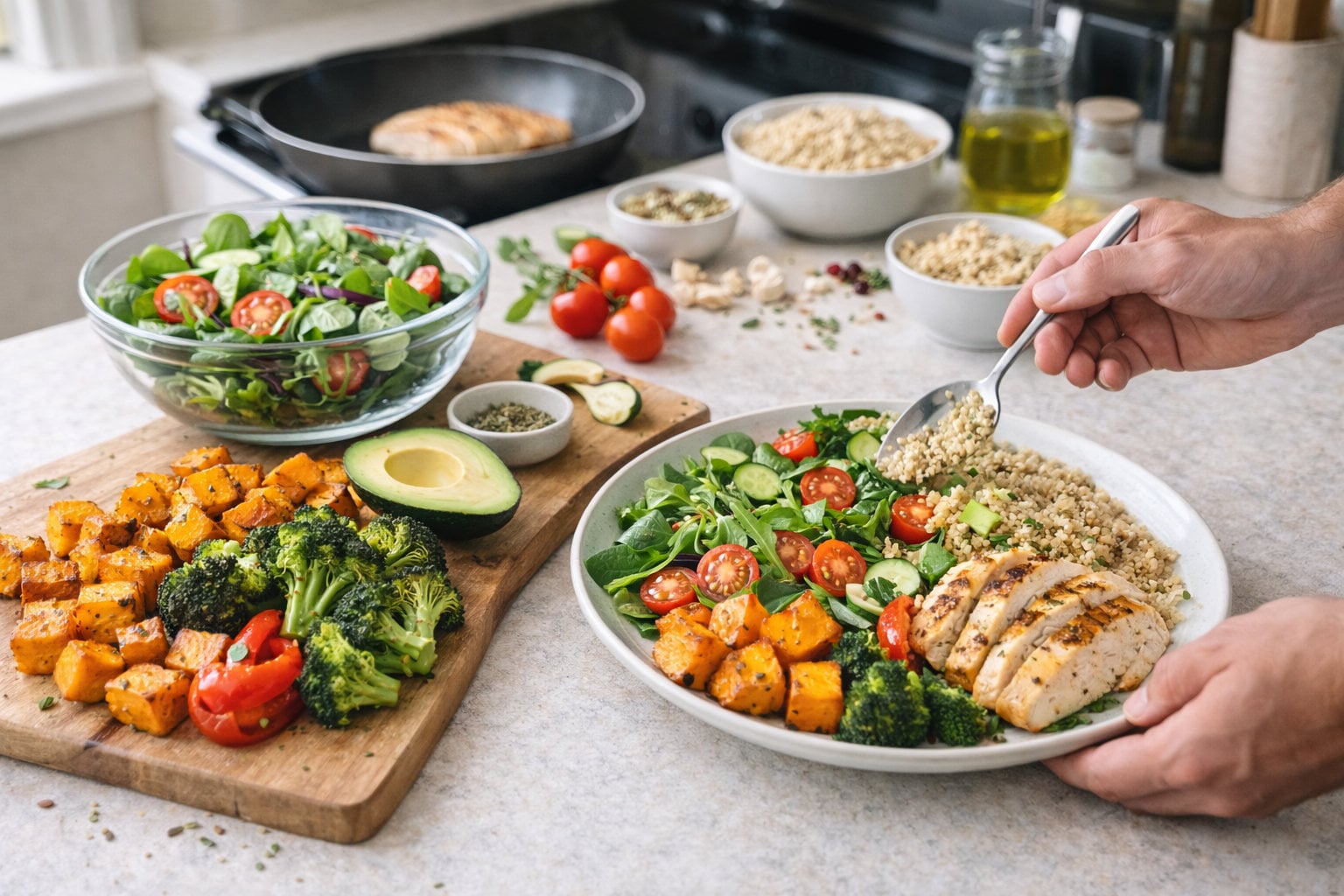
For example, a meal containing grilled vegetables with a protein source can provide better balance than eating only low-calorie foods without enough nutrients. The combination of protein and high volume low calorie foods can support healthy eating habits and long-term wellness.
How to Include These Foods in Daily Meals
Adding these foods to your daily routine does not require major changes. Simple adjustments can increase meal volume and improve nutrition. Start by adding extra vegetables to lunch and dinner, replacing calorie-heavy snacks with fruits, and including salads or soups before main meals.
Breakfast can include fruits, vegetables, and protein-rich options. Lunch and dinner can focus on larger portions of vegetables combined with healthy proteins and whole grains. Snacks can include options like berries, cucumbers, or other fresh produce.
Planning meals around nutritious, filling ingredients makes healthy eating easier. Instead of focusing only on avoiding foods, creating meals with satisfying choices can make your diet more enjoyable and sustainable.
Common Mistakes to Avoid
Although these foods are beneficial, balance is important. Eating only very low-calorie foods without enough protein, healthy fats, or essential nutrients may not provide complete nutrition. A healthy diet should include a variety of food groups.
Another common mistake is adding high-calorie toppings or sauces that reduce the benefits of low-calorie ingredients. For example, a healthy salad can become calorie-heavy when combined with excessive dressings or processed toppings.
The goal is not to eliminate calories completely but to choose foods that provide better nutrition and satisfaction. Understanding portion balance and food quality is essential for long-term success.
Conclusion
Choosing high volume low calorie foods is a practical approach to building satisfying meals while supporting healthy lifestyle goals. These foods allow you to enjoy larger portions while providing important nutrients, fiber, and hydration. Vegetables, fruits, soups, and lean proteins can all contribute to meals that keep you full and energized.
Healthy eating becomes easier when you focus on adding nutritious foods rather than only restricting choices. By including more high-volume options in your daily meals, you can create a balanced eating pattern that supports better digestion, improved satisfaction, and overall wellness. Making small changes consistently can help develop healthier habits that last over time.
Read More:- High Protein Low Calorie Foods for Healthy Weight Management