


Maintaining a healthy diet becomes easier when you choose foods that provide maximum nutrition without adding unnecessary calories. High protein low calorie foods are among the best choices for people who want to manage their weight, improve muscle health, and stay energetic throughout the day. Protein is an essential nutrient that helps repair tissues, build muscles, support metabolism, and keep you feeling full for longer periods. At the same time, low-calorie foods help control overall calorie intake, making them useful for weight management goals. By including the right combination of protein-rich and nutrient-dense foods, you can create balanced meals that support your fitness and wellness journey.
Many people believe that eating healthy requires complicated meal plans or expensive ingredients, but there are several simple food options available that are rich in protein and naturally low in calories. These foods can be added to breakfast, lunch, dinner, or snacks according to individual preferences. Whether you are trying to lose weight, gain lean muscle, or simply improve your eating habits, choosing the right protein sources can make a significant difference.
Why Protein Is Important for the Body
Protein plays a major role in maintaining overall health because it supports many important functions inside the body. Every cell requires protein for growth and repair, including muscles, skin, hair, and internal organs. When you consume enough protein, your body gets the necessary building blocks to recover after physical activity and maintain strength.
Another important benefit of protein is its ability to increase feelings of fullness. Foods rich in protein take longer to digest compared to many carbohydrate-based foods, which can help reduce unnecessary snacking and overeating. This makes protein especially valuable for people focusing on weight management. Including high protein low calorie foods in daily meals can help create a diet that keeps you satisfied while supporting your nutritional needs.
Protein also helps maintain muscle mass during weight loss. When people reduce calories, there is a possibility of losing muscle along with fat. A protein-rich diet combined with regular exercise can help preserve muscle and encourage healthier body composition.
Benefits of High Protein Low Calorie Foods
Choosing foods that are high in protein but low in calories provides several advantages for the body. One of the biggest benefits is improved weight control. Since protein helps increase fullness, it may reduce cravings and help people maintain better eating habits throughout the day.
These foods are also beneficial for fitness enthusiasts because protein supports muscle recovery and development. After exercise, muscles need nutrients to repair and grow stronger. Including lean protein sources in meals can improve recovery and support physical performance.
Another advantage is better energy balance. Many calorie-dense foods provide limited nutrition, while nutrient-rich protein foods deliver essential vitamins, minerals, and amino acids without excessive calories. This allows individuals to enjoy satisfying meals while staying within their health goals.
Regular consumption of high protein low calorie foods can also support metabolism because the body uses more energy to digest protein compared to fats and carbohydrates. A balanced protein intake combined with healthy lifestyle habits can contribute to long-term wellness.

Eggs: A Simple Protein-Rich Food Choice
Eggs are one of the most popular protein sources because they are affordable, versatile, and easy to prepare. A single egg provides high-quality protein along with important nutrients such as vitamins, minerals, and healthy fats. Egg whites are especially popular among fitness-focused individuals because they contain protein with very few calories.
Eggs can be included in various meals, including breakfast, salads, and snacks. They help provide long-lasting energy and can keep hunger levels under control. People looking for nutritious meal options often include eggs because they offer a good balance of taste and nutrition.
For those who want to increase protein intake while controlling calories, eggs are an excellent addition to a balanced diet. They can be combined with vegetables, whole grains, or other nutritious ingredients to create filling meals.
Chicken Breast: A Lean Protein Source
Chicken breast is widely recognized as one of the best lean protein options. It contains a high amount of protein while being relatively low in fat and calories when prepared properly. This makes it a popular choice among athletes, fitness lovers, and individuals following weight management plans.
Grilled, baked, or boiled chicken breast can be added to salads, wraps, soups, and main meals. It provides essential amino acids that support muscle repair and overall body function. Choosing healthy cooking methods helps maintain its nutritional benefits without adding unnecessary calories.
Including chicken breast as part of high protein low calorie foods choices can help individuals meet their protein requirements while maintaining a balanced calorie intake. It is a convenient option for people who want nutritious meals without complicated preparation.
Fish and Seafood for Healthy Nutrition
Fish and seafood are excellent sources of protein and often contain fewer calories compared to many other animal-based protein sources. Varieties such as tuna, salmon, prawns, and other lean fish provide essential nutrients along with quality protein.
Many types of fish contain omega-3 fatty acids, which are beneficial for heart health and overall wellness. Seafood can be prepared in different ways, including grilling, steaming, or baking, making it suitable for various meal preferences.
Adding fish to your diet can improve nutritional variety and provide important minerals and vitamins. For people looking for high protein low calorie foods, seafood offers a delicious option that combines protein with additional health benefits.
Greek Yogurt: A Protein-Packed Dairy Option
Greek yogurt is another excellent food choice for increasing protein intake. Compared to regular yogurt, Greek yogurt usually contains more protein because of its preparation process. It is also a good source of calcium, which supports bone health.
Greek yogurt can be eaten as a snack, mixed with fruits, added to smoothies, or used as a healthy alternative to high-calorie desserts. Choosing plain varieties without added sugar can help maintain lower calorie intake.
Its creamy texture and high protein content make it a convenient option for busy individuals. Including Greek yogurt regularly can support better nutrition and help meet daily protein requirements.
Lentils and Beans for Plant-Based Protein
For people following vegetarian diets, lentils and beans are valuable sources of protein. They are also rich in fiber, which supports digestion and helps create a feeling of fullness. Foods like lentils, chickpeas, black beans, and kidney beans can be included in soups, salads, and traditional meals.
Although plant-based proteins may contain more carbohydrates compared to some animal sources, they provide excellent nutritional value. They also contain important minerals such as iron, magnesium, and potassium.
Combining different plant-based protein sources can help create balanced meals. Lentils and beans are affordable, accessible, and practical choices for anyone searching for nutritious high protein low calorie foods.
Cottage Cheese and Paneer Options
Cottage cheese is a protein-rich dairy food that can be useful for people looking for filling and nutritious meals. It provides slow-digesting protein, which can help maintain fullness for longer periods.
Low-fat cottage cheese is often preferred by people who want more protein with fewer calories. It can be eaten with fruits, vegetables, or added to different recipes.
Paneer is another popular protein source, especially in vegetarian diets. Choosing lighter preparation methods and balanced portions can make paneer a healthy part of a nutritious eating plan.
Vegetables That Add Protein and Nutrition
While vegetables are not usually considered primary protein sources, some varieties contain meaningful amounts of protein along with vitamins, minerals, and fiber. Foods like spinach, broccoli, peas, and mushrooms can contribute to daily protein intake while keeping calories low.
Vegetables are important because they increase meal volume without adding many calories. This helps people feel satisfied while consuming balanced portions. Combining vegetables with other protein sources creates complete and nutritious meals.
A diet focused on high protein low calorie foods should include vegetables because they provide essential nutrients needed for overall health.
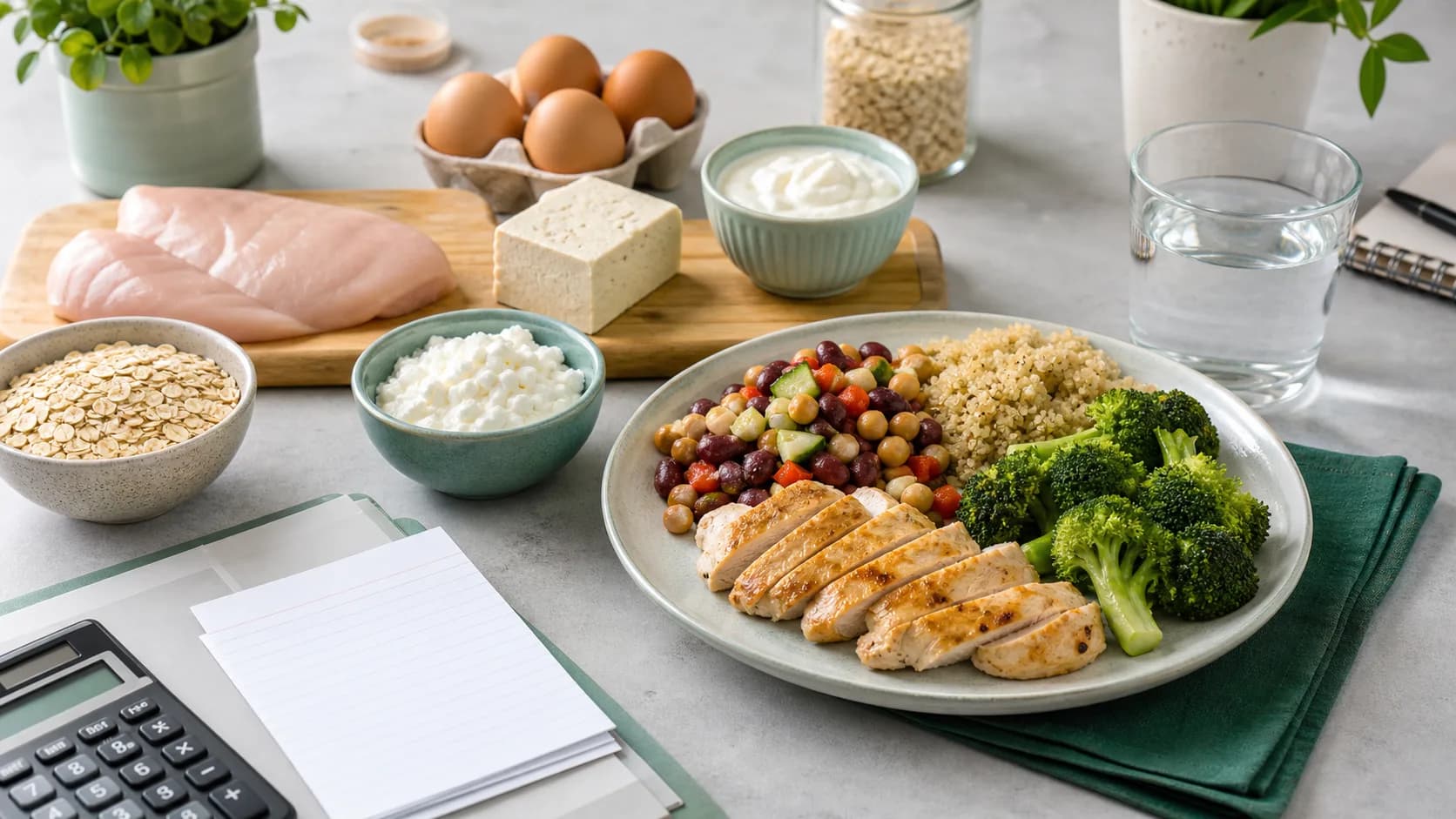
Tips to Include More Protein in Your Daily Diet
Increasing protein intake does not always require major changes. Small adjustments can make meals healthier and more balanced. Start by adding protein-rich ingredients to breakfast, choosing lean proteins for lunch and dinner, and keeping nutritious snacks available.
Planning meals in advance can also help avoid unhealthy food choices. Preparing simple protein-based meals makes it easier to maintain consistency. Drinking enough water and combining a balanced diet with physical activity can further improve results.
It is also important to focus on overall nutrition rather than only one nutrient. A healthy diet should include proteins, carbohydrates, healthy fats, vitamins, and minerals in appropriate amounts.
Conclusion
Choosing the right foods can make a significant impact on your health, fitness, and lifestyle goals. High protein low calorie foods provide an effective way to increase protein intake while managing calorie consumption. From eggs and chicken breast to fish, yogurt, lentils, and vegetables, there are many nutritious options available for different dietary preferences.
A balanced approach that includes quality protein, regular exercise, and mindful eating habits can support better energy levels, muscle health, and weight management. Instead of focusing only on reducing food intake, choosing nutrient-rich foods helps create a sustainable and healthier lifestyle. By making smart food choices every day, you can enjoy satisfying meals while working toward your wellness goals.
Read More:- High Carb Low Calorie Foods for Healthy Energy