

Introduction
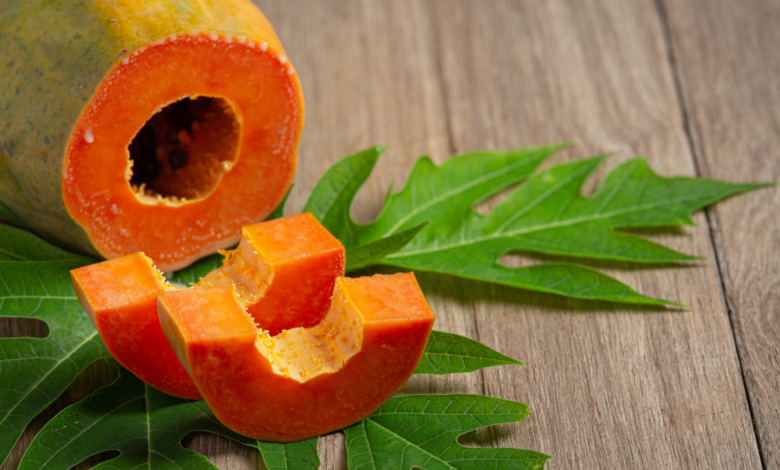
Managing blood sugar through diet has become a priority for millions of people worldwide. Fruits are often debated in diabetes nutrition because they contain natural sugars, yet they also offer fiber, vitamins, and antioxidants that support overall health. One fruit that frequently comes into discussion is papaya.
Many people wonder, is papaya good for diabetes when considering it as part of a balanced eating plan. Papaya is naturally sweet, soft, and easy to digest, making it a popular tropical fruit. However, its glycemic impact and sugar content raise important questions for those who need to maintain stable glucose levels.
In this article, we will explore papaya’s nutritional profile, its effects on blood sugar, potential benefits, risks, and the best ways to include it in a diabetic-friendly diet. By the end, you’ll have a clear understanding of whether this fruit deserves a place on your plate.
Nutritional Profile of Papaya and Its Impact on Health

Papaya is a nutrient-dense fruit that provides a range of vitamins, minerals, and antioxidants while remaining relatively low in calories. It is especially rich in vitamin C, vitamin A, folate, and dietary fiber. These nutrients play a key role in immune support, digestion, and cellular health.
When evaluating is papaya good for diabetes, nutrition becomes a central factor. Papaya contains natural sugars, but it also has fiber, which helps slow down sugar absorption in the bloodstream. This balance is what makes it more suitable compared to many processed sugary foods.
Papaya also contains antioxidants like lycopene and beta-carotene, which may help reduce inflammation and oxidative stress—two conditions often associated with diabetes complications.
Glycemic Index and Blood Sugar Response
Understanding the glycemic index (GI) of foods is essential for people managing diabetes. Papaya has a moderate glycemic index, generally ranging between 55 and 60 depending on ripeness. This means it can raise blood sugar at a moderate pace rather than a rapid spike.
For individuals asking is papaya good for diabetes, the GI value suggests that moderation is key. When eaten in controlled portions, papaya can be included in a balanced diabetic meal plan without causing significant glucose fluctuations.
The fiber content in papaya helps slow digestion, which contributes to more stable blood sugar levels. However, overconsumption may still lead to elevated glucose levels, especially when paired with other carbohydrate-rich foods.
Key Health Benefits of Papaya for Diabetics
Papaya offers several health advantages that may indirectly support diabetes management when consumed wisely.
One of the main benefits is improved digestion. Papaya contains an enzyme called papain, which helps break down proteins and supports gut health. A healthy digestive system contributes to better nutrient absorption and metabolic balance.
Another benefit is its antioxidant power. Chronic inflammation is a common issue in diabetes, and papaya’s antioxidants help combat oxidative stress, potentially reducing long-term complications.
When considering is papaya good for diabetes, it is also important to note its role in heart health. Diabetes increases the risk of cardiovascular disease, and papaya’s fiber and antioxidants may help support cholesterol balance and blood vessel health.
Additionally, papaya supports hydration due to its high water content, which is essential for overall metabolic function and glucose regulation.
Can Papaya Help Manage Blood Sugar Levels?
Papaya does not directly cure or control diabetes, but it can play a supportive role in a well-structured diet. Its fiber content helps slow glucose absorption, while its nutrients contribute to overall metabolic health.
Many nutritionists suggest that small portions of fruits like papaya can be safely included in diabetic diets when balanced with proteins and healthy fats. This combination helps prevent sudden spikes in blood sugar.
Still, the question is papaya good for diabetes depends largely on portion size, timing, and individual tolerance. Some people may experience stable sugar levels after eating papaya, while others may need stricter portion control.
Monitoring blood sugar after consuming papaya can help determine personal response and safe intake levels.
Risks and Considerations for Diabetics

Although papaya is generally considered healthy, there are some risks to be aware of, especially for individuals managing diabetes.
One concern is natural sugar content. Even though it is natural, excess consumption can still raise blood glucose levels. This makes portion control extremely important.
Another consideration is ripeness. Riper papayas tend to have a higher sugar concentration, which may impact blood sugar more quickly.
For those asking is papaya good for diabetes, it is important to understand that overconsumption or eating it without balancing other nutrients can lead to unwanted glucose spikes.
People on strict diabetic medications should also be cautious, as combining fruit sugars with certain treatments may require dietary adjustments.
How to Include Papaya in a Diabetic Diet
Incorporating papaya into a diabetes-friendly diet requires balance and planning. It is best consumed in small portions, ideally as part of a meal rather than alone on an empty stomach.
Pairing papaya with protein-rich foods like yogurt, nuts, or seeds can help slow sugar absorption. This combination creates a more stable glycemic response.
When thinking about is papaya good for diabetes, preparation also matters. Fresh papaya is always better than processed forms like juices or canned varieties, which often contain added sugars.
Eating papaya earlier in the day may also help the body utilize its natural sugars more effectively through physical activity and metabolism.
Nutritional Comparison Table
Below is a simple comparison of papaya with other common fruits often considered in diabetic diets:
| Fruit | Glycemic Index | Fiber Content | Suitability for Diabetes |
|---|---|---|---|
| Papaya | Moderate (55–60) | Moderate | Good in controlled portions |
| Apple | Low (36–40) | High | Very good |
| Banana | Moderate (50–55) | Moderate | Good in small amounts |
| Mango | High (60–65) | Low–Moderate | Limited intake advised |
| Orange | Low (40–45) | High | Very good |
This comparison helps highlight where papaya stands among other fruits commonly consumed by people managing blood sugar levels.
Expert Perspective on Papaya and Diabetes
Health experts generally agree that fruits should not be eliminated from diabetic diets. Instead, they should be consumed wisely and in moderation.
According to nutritional research, whole fruits like papaya provide fiber and antioxidants that processed foods lack. However, portion control remains essential.
When asking is papaya good for diabetes, experts emphasize that individual response varies. Some people may tolerate papaya well, while others may need to limit it depending on their blood sugar readings.
Regular monitoring and consultation with healthcare professionals can help determine the ideal fruit intake plan.
Key Takeaways
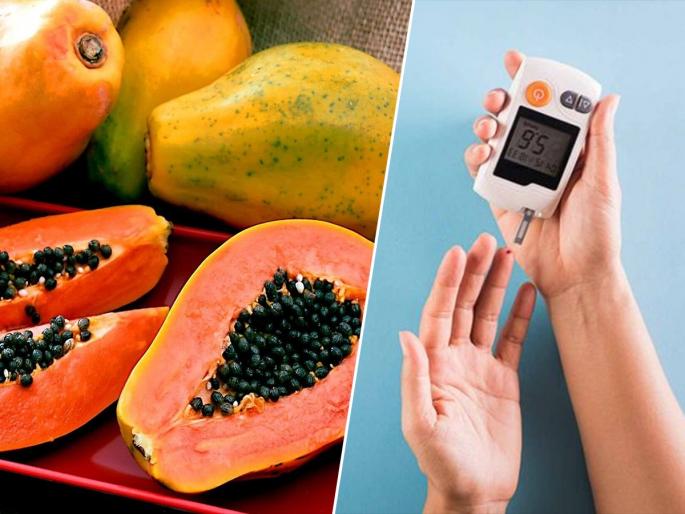
Papaya is a nutrient-rich fruit that can be included in a diabetic diet when consumed responsibly. It provides vitamins, antioxidants, and fiber, all of which support overall health.
However, moderation is essential due to its natural sugar content. Portion control, pairing with other foods, and monitoring blood glucose levels are key strategies for safe consumption.
Understanding is papaya good for diabetes ultimately comes down to balance—when eaten wisely, papaya can be part of a healthy and enjoyable diet.
Frequently Asked Questions (FAQs)
1. Can diabetics eat papaya every day?
Yes, but only in small portions. Eating papaya daily in moderation can be safe for many people with diabetes, depending on individual blood sugar response.
2. What is the best time to eat papaya for diabetics?
Morning or midday is often recommended because the body can better utilize natural sugars during active hours.
3. Does papaya increase blood sugar quickly?
Papaya has a moderate glycemic index, so it may raise blood sugar slowly compared to high-GI foods.
4. Is papaya juice safe for diabetics?
Juice is not recommended as it removes fiber and can lead to faster sugar absorption.
5. How much papaya is safe for diabetics?
A small bowl (about 100–150 grams) is generally considered a safe portion for most individuals.
6. Can papaya help lower blood sugar levels?
While it does not directly lower blood sugar, its fiber and antioxidants may support better metabolic health.
7. Is papaya good for diabetes when eaten with other foods?
Yes, pairing papaya with protein or healthy fats can help stabilize blood sugar response.
Conclusion
Papaya is a delicious and nutrient-rich fruit that can be enjoyed as part of a balanced diabetic diet when consumed carefully. It offers valuable vitamins, antioxidants, and digestive benefits that support overall health.
However, portion control and mindful eating are essential. The answer to is papaya good for diabetes is not a simple yes or no—it depends on how much you eat, how you combine it with other foods, and how your body responds.
With the right approach, papaya can be a refreshing and beneficial addition to a diabetes-friendly lifestyle without compromising blood sugar control.


