

Introduction
The urinary catheterization procedure is a common medical technique used in hospitals, clinics, and emergency settings to drain urine from the bladder when a person cannot urinate naturally. This procedure plays a vital role in patient care, particularly for individuals with urinary retention, those undergoing surgery, or patients who need accurate monitoring of urine output.
Medical professionals perform the urinary catheterization procedure using a sterile tube called a catheter, which is inserted into the bladder through the urethra. Although it is considered a routine clinical process, proper technique, hygiene, and patient care are essential to prevent complications such as infections or discomfort.
This comprehensive guide explains the purpose, preparation, types, steps, and aftercare involved in the urinary catheterization procedure.
Urinary Catheterization Procedure
The urinary catheterization procedure involves inserting a flexible tube into the bladder to allow urine to drain when natural urination is not possible. It is widely used in healthcare settings for both short-term and long-term medical management.
What Is Urinary Catheterization?
Urinary catheterization is a clinical procedure that allows healthcare providers to drain urine directly from the bladder. The catheter may remain temporarily or for extended periods depending on the patient’s condition.
Why the Procedure Is Performed
Doctors may recommend catheterization for several reasons, including:
-
Urinary retention
-
Surgery or anesthesia
-
Severe illness or immobility
-
Monitoring urine output in critical care
-
Bladder obstruction
Importance in Healthcare
Accurate urine drainage and monitoring help doctors assess kidney function, hydration status, and overall patient health.
Understanding the Urinary System

Before learning the urinary catheterization procedure, it is important to understand how the urinary system functions.
Structure of the Urinary Tract
The urinary tract includes:
-
Kidneys
-
Ureters
-
Bladder
-
Urethra
Each component works together to filter waste and eliminate urine from the body.
How the Bladder Stores Urine
The bladder is a muscular organ that stores urine until it is ready to be released. When it fills, nerve signals trigger the urge to urinate.
Role of the Urethra
The urethra is the tube through which urine exits the body. During catheterization, the catheter passes through the urethra to reach the bladder.
Types of Urinary Catheters
Different types of catheters are used depending on the medical condition and duration of use.
1. Indwelling (Foley) Catheter
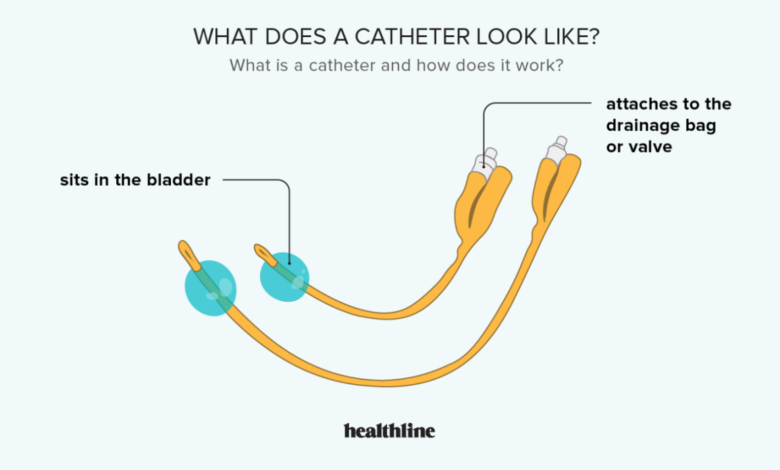
A Foley catheter remains in the bladder for an extended period. It contains a balloon that keeps it in place.
2. Intermittent Catheter
This catheter is inserted temporarily to drain the bladder and then removed immediately afterward.
3. External Catheter
External catheters are used mainly for male patients and fit over the penis like a condom.
4. Suprapubic Catheter
This catheter is inserted through a small incision in the abdomen directly into the bladder.
Indications for the Urinary Catheterization Procedure
Healthcare providers perform the urinary catheterization procedure when patients cannot empty their bladder normally.
Common Medical Reasons
-
Urinary retention
-
Major surgical procedures
-
Severe trauma or illness
-
Neurological disorders affecting bladder control
-
Monitoring urine output in ICU patients
Diagnostic Purposes
Sometimes doctors perform catheterization to collect sterile urine samples for laboratory testing.
Preparation for the Urinary Catheterization Procedure
Proper preparation ensures patient safety and reduces the risk of infection.
Required Equipment
The following items are typically used:
| Equipment | Purpose |
|---|---|
| Sterile catheter | Drains urine from the bladder |
| Sterile gloves | Maintain hygiene |
| Antiseptic solution | Clean the insertion area |
| Lubricant | Reduce friction during insertion |
| Drainage bag | Collect urine |
| Sterile drapes | Maintain sterile field |
Patient Preparation
Before starting the urinary catheterization procedure, the healthcare provider:
-
Explains the procedure to the patient
-
Ensures patient privacy
-
Positions the patient comfortably
-
Performs hand hygiene
Maintaining Sterility
Strict sterile techniques are necessary to prevent urinary tract infections.
Step-by-Step Urinary Catheterization Procedure
Understanding the steps involved helps ensure safe and effective catheter placement.
1. Hand Hygiene and Sterile Setup
The healthcare provider washes hands thoroughly and wears sterile gloves. All equipment is arranged in a sterile field.
2. Cleaning the Urethral Area
The genital area is cleaned using antiseptic solution to reduce bacteria.
3. Catheter Lubrication
The catheter is lubricated to minimize discomfort during insertion.
4. Insertion of the Catheter
The catheter is gently inserted through the urethra until it reaches the bladder. Once urine begins to flow, it confirms proper placement.
5. Balloon Inflation
For Foley catheters, a small balloon is inflated to hold the catheter in place.
6. Connecting the Drainage Bag
The catheter is connected to a drainage bag that collects urine safely.
This entire urinary catheterization procedure typically takes only a few minutes when performed by trained professionals.
Post-Procedure Care and Monitoring
After completing the urinary catheterization procedure, healthcare providers monitor the patient closely.
Checking Urine Output
Urine flow, color, and quantity are observed regularly to assess kidney function.
Ensuring Patient Comfort
Patients should not feel severe pain or pressure after catheter insertion.
Hygiene and Maintenance
Proper cleaning around the catheter site helps prevent infection.
Risks and Complications
Although the urinary catheterization procedure is generally safe, some risks may occur.
Urinary Tract Infection (UTI)
One of the most common complications of catheter use.
Urethral Injury
Improper insertion can cause damage to the urethra.
Catheter Blockage
Sediment or blood clots may block the catheter.
Bladder Spasms
Some patients experience bladder discomfort or spasms.
Tips to Prevent Catheter-Associated Infections

Healthcare providers follow strict guidelines to reduce infection risks.
Maintain Hygiene
Regular cleaning of the catheter and surrounding area is essential.
Keep the Drainage Bag Below the Bladder
This prevents urine from flowing backward into the bladder.
Ensure Proper Hydration
Drinking enough fluids helps flush bacteria from the urinary tract.
Removal of the Urinary Catheter
Catheters are removed once they are no longer needed.
When Removal Is Recommended
Doctors usually remove the catheter when:
-
The patient regains bladder control
-
Urine output monitoring is no longer required
-
The risk of infection increases
Removal Process
The balloon inside the catheter is deflated before gently removing the tube.
Post-Removal Monitoring
Patients may be monitored for normal urination after removal.
Frequently Asked Questions
Is the Urinary Catheterization Procedure Painful?
Most patients experience only mild discomfort. Proper lubrication and gentle technique minimize pain.
How Long Can a Catheter Stay in Place?
Depending on the type, catheters may remain in place from a few hours to several weeks.
Can Patients Move Normally With a Catheter?
Yes, patients can usually move carefully while the catheter is attached to a drainage bag.
Quick Summary
Procedure: Urinary catheterization
Purpose: Drain urine from the bladder
Duration: 5–10 minutes
Performed by: Doctors or trained nurses
Common Use: Urinary retention, surgery, ICU monitoring
Conclusion
The urinary catheterization procedure is an essential medical technique used to manage urinary problems and monitor patient health. When performed correctly using sterile techniques, it is safe and effective. Healthcare professionals carefully evaluate each patient before performing the procedure to ensure it is necessary and beneficial.
Proper preparation, careful insertion, and good aftercare significantly reduce complications. Understanding the process helps patients feel more comfortable and confident when undergoing the urinary catheterization procedure.
Read More:-Employee Health and Wellness Programs Health Fairs Direct Guide