

Introduction
Gaining healthy body mass is a goal for many people, especially those who struggle with being underweight, have a fast metabolism, or find it difficult to maintain consistent energy levels throughout the day. However, increasing body weight in a healthy and sustainable way is not just about eating large portions of food—it requires a well-structured nutritional strategy, consistency, and lifestyle balance.
A properly planned weight gain diet focuses on providing the body with enough calories, but more importantly, ensures those calories come from nutrient-rich sources. This helps in building lean muscle, improving energy levels, and supporting overall physical development rather than simply adding unwanted fat.
In this comprehensive guide, we will explore everything you need to know—from understanding calorie balance and food selection to meal timing, workout integration, and long-term lifestyle habits. The goal is to help you create a practical and realistic approach that fits into daily life and produces sustainable results.
Understanding Calorie Surplus and Energy Balance

To increase body mass, your body must receive more energy than it burns. This is known as a calorie surplus. However, the quality of those calories plays a major role in determining whether the weight gained is healthy or unhealthy.
When your body receives consistent energy from balanced food sources, it uses that fuel for muscle repair, tissue growth, and daily activities. On the other hand, excessive consumption of processed foods can lead to fat accumulation and poor metabolic health.
A well-structured weight gain diet ensures that the calorie surplus comes from wholesome sources such as whole grains, dairy, legumes, nuts, and healthy oils. This approach supports steady progress without overwhelming the digestive system or causing energy crashes.
Another important factor is consistency. Eating in surplus for a few days will not produce noticeable changes. The body requires sustained nourishment over weeks and months to adapt and grow effectively.
Building a Nutrient-Dense Food Foundation
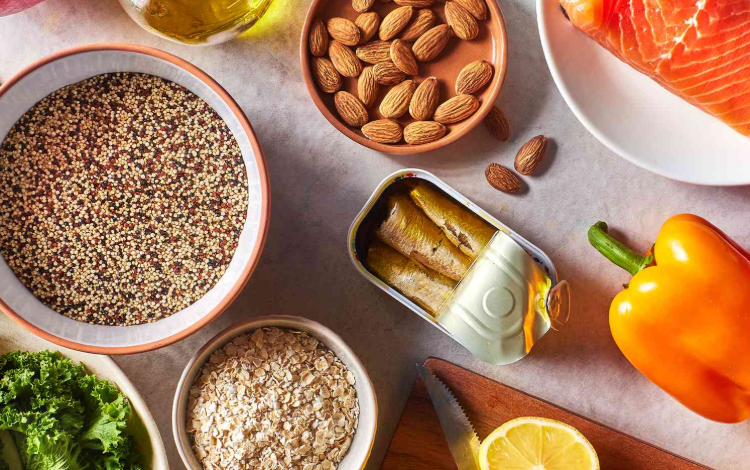
Food quality is just as important as quantity when it comes to healthy body development. Nutrient-dense foods provide vitamins, minerals, fiber, and macronutrients that support overall body function.
Whole grains like oats, brown rice, and whole wheat provide long-lasting energy. Dairy products such as milk, yogurt, and cheese offer calcium and protein for bone and muscle health. Legumes and lentils are excellent plant-based protein sources that also support digestion.
Fruits like bananas, mangoes, and avocados add natural sugars and healthy fats that help increase calorie intake in a clean and effective way.
A balanced weight gain diet emphasizes variety in food selection to ensure the body receives all essential nutrients. This prevents deficiencies and supports steady physical progress.
Hydration is also important. Water helps transport nutrients, supports digestion, and improves metabolic efficiency, making it easier for the body to process increased food intake.
The Role of Protein in Muscle Development
Protein is one of the most essential nutrients for building and repairing body tissues. It plays a key role in muscle growth, especially when combined with physical activity or strength training.
High-quality protein sources include eggs, chicken, fish, paneer, soybeans, lentils, and dairy products. These foods provide amino acids that help repair muscle fibers and promote lean mass development.
Spreading protein intake evenly throughout the day improves absorption and supports continuous muscle synthesis. Instead of consuming large amounts in a single meal, it is more effective to include moderate portions in every meal.
A structured weight gain diet ensures that protein intake is balanced with carbohydrates and fats, allowing the body to efficiently convert nutrients into usable energy and muscle tissue rather than storing excess fat.
Regular protein intake also improves recovery after exercise, reduces muscle soreness, and enhances physical performance over time.
Healthy Fats and Carbohydrates for Energy Support
Fats and carbohydrates are often misunderstood, but both are essential for maintaining energy balance and supporting healthy body functions.
Healthy fats from sources like nuts, seeds, olive oil, ghee, and avocados provide concentrated energy and support hormone production. These fats are particularly useful for individuals who struggle to consume large food portions.
Carbohydrates, on the other hand, are the body’s primary energy source. Complex carbs such as rice, oats, potatoes, and whole grains provide steady energy release throughout the day, preventing fatigue and supporting physical activity.
A balanced weight gain diet combines both macronutrients in the right proportion. This ensures that the body has enough fuel for daily activities while also storing additional energy for muscle growth and recovery.
Without adequate fats and carbohydrates, the body may struggle to maintain energy levels, making it harder to sustain long-term progress.
Sample Meal Plan Structure for Daily Routine
Below is a practical example of how a balanced daily eating plan can be organized for consistent results:
| Meal Time | Food Example | Purpose |
|---|---|---|
| Breakfast | Oats with milk, banana, almonds | Energy + nutrients |
| Mid-Morning | Boiled eggs or fruit smoothie | Protein boost |
| Lunch | Rice, dal, vegetables, paneer | Balanced nutrition |
| Evening Snack | Peanut butter toast or yogurt | Energy + recovery |
| Dinner | Chapati, lentils, salad, milk | Muscle repair |
Meal timing plays an important role in maintaining steady energy levels. Eating every 3–4 hours prevents long gaps that can slow down metabolism or cause energy dips.
A structured weight gain diet benefits greatly from this kind of routine because it ensures continuous nutrient availability throughout the day.
Strength Training and Physical Activity Integration
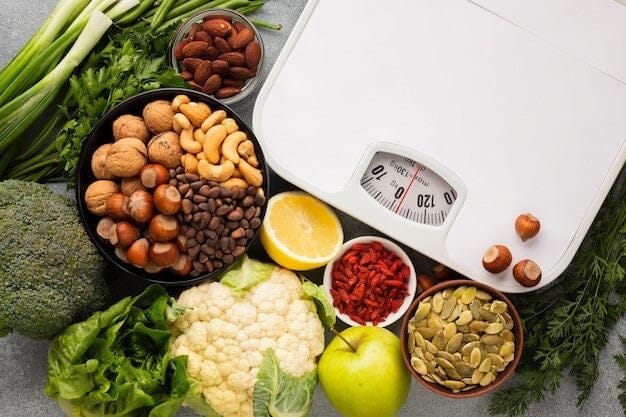
Exercise plays a crucial role in ensuring that additional calorie intake is used effectively. Without physical activity, excess calories may be stored as fat rather than lean muscle.
Strength training exercises such as squats, push-ups, resistance band workouts, and weight lifting help stimulate muscle fibers and encourage growth. Even simple home workouts can produce noticeable improvements over time when done consistently.
Cardiovascular exercise should not be completely avoided, but it should be balanced to prevent excessive calorie burning. Light cardio helps improve heart health and digestion without interfering with weight gain goals.
Combining exercise with a structured weight gain diet ensures that the body builds strength, improves posture, and develops lean muscle mass rather than accumulating unhealthy fat.
Common Mistakes and Digestive Health
One of the most common mistakes people make is relying on junk food or sugary snacks to increase calorie intake quickly. While this may lead to temporary weight gain, it often results in poor health outcomes.
Another mistake is eating large meals irregularly instead of maintaining consistent eating patterns. This can lead to bloating, indigestion, and poor nutrient absorption.
Ignoring digestive health can also slow down progress. Foods rich in fiber, probiotics, and hydration help maintain a healthy gut, which is essential for proper nutrient absorption.
A disciplined approach ensures that a weight gain diet remains balanced, sustainable, and supportive of long-term health goals rather than short-term fixes.
Indian Diet Examples for Practical Application
For individuals following a traditional Indian lifestyle, there are many accessible foods that can support healthy body development.
Breakfast options include poha with peanuts, paratha with curd, or oats with milk. Lunch can consist of rice, dal, vegetables, and paneer. Evening snacks may include roasted chana, banana shakes, or peanut butter sandwiches.
Dinner should be light but nutritious, such as chapati with lentils and vegetables, along with a glass of milk before bed.
These simple and affordable food combinations make it easier to follow a consistent nutritional plan without relying on expensive supplements or processed foods.
A well-planned weight gain diet using Indian foods can be highly effective when followed consistently with proper portion control and timing.
Lifestyle Habits for Sustainable Results
Lifestyle choices have a major impact on physical development. Sleep, stress management, and daily activity levels all influence how the body processes nutrients.
Adequate sleep is essential because the body repairs muscles and regulates hormones during rest. Poor sleep can slow down progress and reduce energy levels.
Managing stress is equally important. High stress levels can affect appetite and digestion, making it harder to maintain consistency.
A balanced weight gain diet works best when combined with a structured lifestyle that includes proper rest, mental well-being, and regular physical activity.
Supplements and Additional Support
While whole foods should always be the foundation, supplements can provide additional support when needed. Protein powders, multivitamins, and omega-3 supplements may help fill nutritional gaps.
However, supplements should never replace real food. They are only meant to support an already balanced diet and active lifestyle.
Key Takeaways

Healthy body development is a gradual process that requires consistency, discipline, and a balanced approach. Eating more is not enough—eating smart is the key.
Focus on whole foods, maintain a calorie surplus, include strength training, and prioritize sleep and recovery. Avoid processed foods and build habits that support long-term health.
FAQs
1. How long does it take to gain healthy weight?
It usually takes a few weeks to months depending on metabolism, diet consistency, and physical activity levels.
2. Can I gain weight without exercise?
Yes, but most of the gain may be fat instead of muscle. Exercise helps shape the body effectively.
3. What foods help increase body mass naturally?
Rice, milk, eggs, nuts, lentils, bananas, and healthy oils are excellent choices.
4. How many meals should I eat daily?
Five to six small meals are generally more effective than two or three large meals.
5. Is fast food good for weight gain?
It may increase weight but is not healthy due to low nutrition and high unhealthy fats.
6. Do I need supplements for weight gain?
Not necessarily. Whole foods are sufficient if your diet is balanced and consistent.
7. Can metabolism affect weight gain?
Yes, a fast metabolism can make it harder, but proper nutrition and training can overcome it.
Conclusion
Achieving healthy body growth is not about quick fixes or extreme eating habits. It is about building a sustainable routine that supports your body’s natural development process.
A well-balanced weight gain diet provides the foundation for steady progress, improved strength, and better overall health. When combined with exercise, proper rest, and consistency, it leads to long-term transformation that is both safe and effective.
The key is patience, discipline, and making smart nutritional choices every day.