
Introduction
Vitamin D is often called the “sunshine vitamin,” but its role in the body goes far beyond what many people realize. From supporting strong bones to boosting immunity and improving mood, this essential nutrient plays a powerful role in overall health. Unfortunately, millions of people worldwide suffer from low vitamin D levels without even knowing it.
In this detailed guide, we will explore the 14 signs of vitamin d deficiency, why they happen, who is at risk, and how you can fix the problem naturally through simple lifestyle and diet changes.
What Is Vitamin D and Why Is It Important?
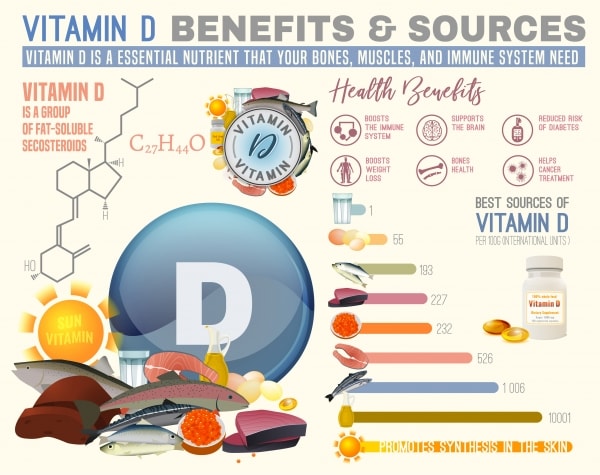
Vitamin D is a fat-soluble vitamin that helps your body absorb calcium and phosphorus — two minerals essential for strong bones and teeth. It also supports immune function, muscle strength, heart health, and mental well-being.
Unlike other vitamins, your body can produce vitamin D when your skin is exposed to sunlight. However, modern indoor lifestyles, sunscreen use, pollution, and poor diet have made deficiency extremely common.
What Are the 14 Signs of Vitamin D Deficiency?
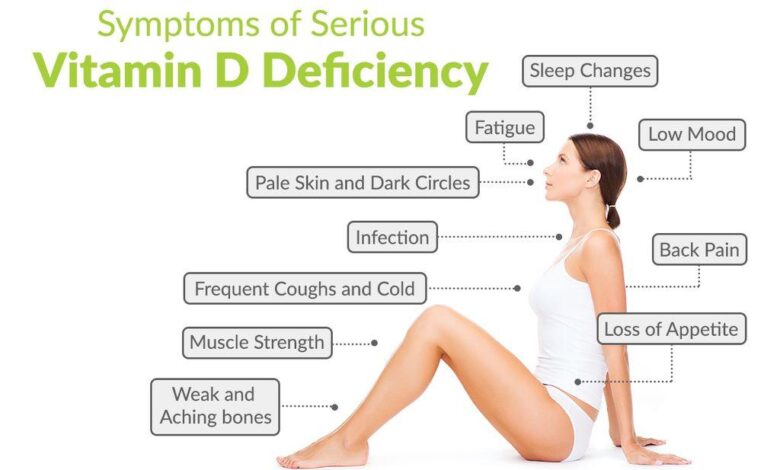
The 14 signs of vitamin d deficiency include:
-
Constant fatigue
-
Frequent infections
-
Bone pain
-
Depression
-
Slow wound healing
-
Hair loss
-
Muscle weakness
-
Bone loss
-
Weight gain
-
Excessive sweating
-
Digestive issues
-
High blood pressure
-
Brain fog
-
Chronic inflammation
If you experience multiple symptoms, it may be time to check your vitamin D levels.
14 Signs of Vitamin D Deficiency
Let’s examine each symptom in detail.
1. Constant Fatigue and Tiredness
Feeling tired even after a full night’s sleep? Low vitamin D levels are strongly linked to chronic fatigue. Vitamin D supports energy production at the cellular level. Without enough of it, your body may struggle to maintain normal energy levels.
2. Frequent Illness or Infections
Vitamin D strengthens the immune system. If you catch colds, flu, or infections often, your body might not be producing enough immune-supporting cells due to deficiency.
3. Bone and Lower Back Pain
One of the most common and early signs among the 14 signs of vitamin d deficiency is bone pain. Vitamin D helps absorb calcium, and low levels can lead to weak, painful bones — especially in the lower back.
4. Depression and Mood Changes
Studies suggest that vitamin D influences serotonin production, the hormone responsible for mood regulation. Low levels may contribute to sadness, anxiety, and even seasonal depression.
5. Slow Wound Healing
If cuts and wounds take longer than usual to heal, vitamin D deficiency may be affecting tissue repair and inflammation control.
6. Hair Loss
Severe hair thinning or unexplained hair fall can be linked to low vitamin D levels. The vitamin supports hair follicle health and growth cycles.
7. Muscle Pain and Weakness
Muscle aches without intense physical activity may indicate deficiency. Vitamin D plays a key role in muscle contraction and strength.
8. Bone Loss and Osteoporosis
Long-term deficiency increases the risk of brittle bones, fractures, and osteoporosis, especially in older adults and women.
9. Weight Gain
Some research shows a link between low vitamin D and increased body fat. Vitamin D may influence hormones related to appetite and fat storage.
10. Excessive Sweating
Unusual sweating, especially around the head and forehead, can be an early sign of deficiency.
11. Digestive Problems
People with gut disorders like IBS or Crohn’s disease may struggle to absorb vitamin D properly, leading to deficiency symptoms.
12. High Blood Pressure
Vitamin D supports heart health. Low levels may contribute to increased blood pressure and cardiovascular risks.
13. Brain Fog and Poor Concentration
Difficulty focusing, forgetfulness, and mental fatigue can be subtle signs within the 14 signs of vitamin d deficiency.
14. Chronic Inflammation
Vitamin D helps regulate inflammation in the body. Persistent inflammation may signal low levels.
Who Is at Risk of Vitamin D Deficiency?
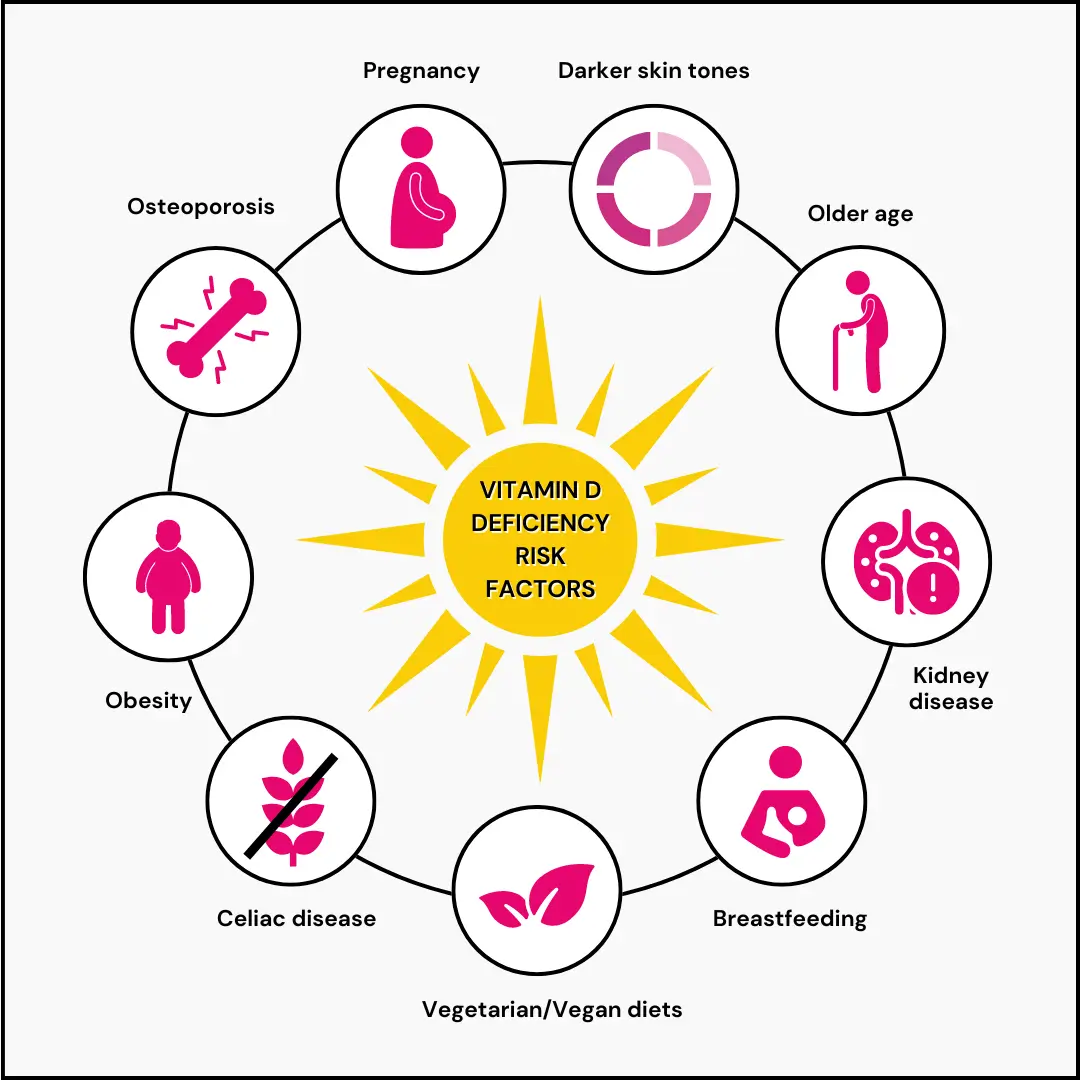
You may be at higher risk if you:
-
Spend most of your time indoors
-
Use strong sunscreen regularly
-
Have darker skin
-
Are over 60 years old
-
Are overweight or obese
-
Have digestive disorders
-
Are pregnant or breastfeeding
How to Diagnose Vitamin D Deficiency
A simple blood test called the 25-hydroxy vitamin D test measures your levels.
Vitamin D Level Chart
| Vitamin D Level (ng/mL) | Status |
|---|---|
| Below 20 | Deficient |
| 20–29 | Insufficient |
| 30–50 | Optimal |
| Above 100 | Excess |
Consult a healthcare provider if your levels are low.
How to Fix Vitamin D Deficiency Naturally

Now that we understand the 14 signs of vitamin d deficiency, let’s look at natural solutions.
1. Get Safe Sun Exposure
Sunlight is the most natural source of vitamin D.
-
15–30 minutes of sun exposure
-
Mid-morning sunlight is ideal
-
Expose arms and legs without sunscreen (short duration only)
People with darker skin may need longer exposure.
2. Eat Vitamin D–Rich Foods
Here are natural dietary sources:
| Food | Vitamin D (Approx.) per Serving |
|---|---|
| Salmon (100g) | 526 IU |
| Tuna (100g) | 268 IU |
| Egg Yolk (1) | 37 IU |
| Fortified Milk (1 cup) | 100 IU |
| Mushrooms (UV exposed) | 400 IU |
Adding these foods regularly can help correct mild deficiency.
3. Consider Supplements
If sunlight and diet are not enough, vitamin D3 supplements may be necessary. Always consult a doctor before starting high-dose supplementation.
Common dosage recommendations:
-
Mild deficiency: 1000–2000 IU daily
-
Severe deficiency: Higher doses under medical supervision
4. Improve Gut Health
Since vitamin D is fat-soluble, healthy digestion improves absorption. Include:
-
Probiotics
-
Healthy fats (olive oil, nuts, seeds)
-
Fiber-rich foods
How Long Does It Take to Recover?
Recovery depends on severity.
-
Mild deficiency: 6–8 weeks
-
Moderate deficiency: 2–3 months
-
Severe deficiency: 3–6 months
Consistent lifestyle changes are essential.
Prevention Tips
To prevent experiencing the 14 signs of vitamin d deficiency, follow these habits:
-
Spend time outdoors daily
-
Maintain a balanced diet
-
Monitor vitamin D levels yearly
-
Exercise regularly
-
Maintain a healthy body weight
Frequently Asked Questions
What is the fastest way to fix vitamin D deficiency?
The fastest way is a combination of doctor-prescribed supplements, sun exposure, and vitamin D–rich foods.
Can vitamin D deficiency cause weight gain?
Yes, some studies suggest low vitamin D levels may affect fat metabolism and appetite hormones.
Is vitamin D deficiency serious?
Yes. Long-term deficiency can lead to bone disorders, weak immunity, and increased chronic disease risk.
Conclusion
Ignoring the 14 signs of vitamin d deficiency can lead to long-term health problems. From fatigue and bone pain to depression and weak immunity, the symptoms may silently affect your quality of life.
The good news? Vitamin D deficiency is easy to diagnose and treat. With simple lifestyle changes like regular sun exposure, a nutrient-rich diet, and proper supplementation when needed, you can restore healthy levels and protect your overall well-being.
If you suspect you’re experiencing several of the 14 signs of vitamin d deficiency, consider getting a blood test and taking proactive steps toward better health today.
Read More:-Strange and Weird Symptoms of Vitamin D Deficiency