
Introduction
Vitamin D is often associated with strong bones and sunlight, but its role in the body is much deeper and more complex. It influences your immune system, brain function, hormones, muscles, and even your mood. When levels drop, the body doesn’t always show obvious signs like bone pain. Instead, many people experience unusual or confusing symptoms they never connect to low vitamin D.
In this guide, we will explore the weird symptoms of vitamin d deficiency, why they happen, who is most at risk, and how to fix the issue naturally before it turns into a serious health concern.
What Are the Weird Symptoms of Vitamin D Deficiency?
Some of the most surprising and weird symptoms of vitamin d deficiency include:
-
Excessive head sweating
-
Random muscle twitching
-
Tingling in hands and feet
-
Persistent anxiety
-
Brain fog
-
Itchy skin
-
Dizziness
-
Chronic sinus issues
-
Mood swings
-
Brittle nails
If these symptoms appear together or persist for weeks, it may be time to test your vitamin D levels.
Why Vitamin D Deficiency Causes Strange Symptoms
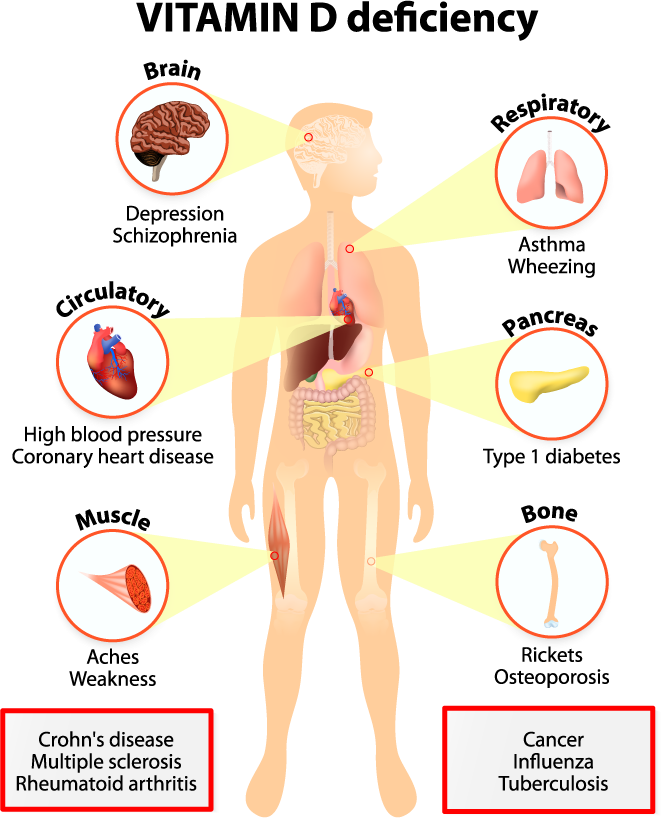
Vitamin D acts more like a hormone than a regular vitamin. It controls hundreds of genes in your body. When levels are low, multiple systems are affected at once.
1. Nervous System Disruption
Vitamin D helps regulate nerve communication. Low levels may cause tingling sensations, twitching, or even unusual pain sensitivity.
2. Hormonal Imbalance
It supports serotonin production (the “feel-good” hormone). Deficiency may trigger mood swings, anxiety, and unexplained sadness.
3. Immune System Dysfunction
Vitamin D plays a major role in immune regulation. Deficiency can cause chronic inflammation and strange recurring infections.
4. Calcium Absorption Problems
Without enough vitamin D, calcium cannot be absorbed efficiently, affecting muscles, bones, and even heart rhythm.
15 Weird Symptoms of Vitamin D Deficiency
Let’s break down the most commonly reported unusual signs.
1. Excessive Head Sweating
One of the earliest and weird symptoms of vitamin d deficiency is unusual sweating, especially around the forehead and scalp — even without heat or exercise.
2. Random Muscle Twitching
Low vitamin D may disrupt calcium balance, causing involuntary muscle spasms or eyelid twitching.
3. Tingling in Hands and Feet
A pins-and-needles sensation may occur when vitamin D deficiency affects nerve function.
4. Persistent Anxiety
Vitamin D influences brain chemicals responsible for calmness and emotional balance. Deficiency may increase feelings of anxiety.
5. Brain Fog and Memory Issues
Difficulty concentrating, forgetfulness, and mental fatigue are commonly reported weird symptoms of vitamin d deficiency.
6. Chronic Itchy Skin
Vitamin D supports skin barrier health. Deficiency may cause dry, irritated, or itchy skin without visible rash.
7. Frequent Sinus or Allergy Problems
Low levels may increase inflammation in nasal passages, leading to recurring sinus congestion.
8. Unexplained Dizziness
Some individuals report lightheadedness linked to low vitamin D levels affecting blood pressure regulation.
9. Mood Swings
Sudden emotional changes without clear cause may signal hormonal disruption due to deficiency.
10. Sensitivity to Pain
Vitamin D helps regulate pain perception. Low levels may lower your pain tolerance.
11. Dark Circles Under Eyes
Chronic inflammation and fatigue linked to deficiency can make under-eye circles more visible.
12. Slow Nail Growth
Brittle or weak nails may reflect poor nutrient absorption connected to vitamin D shortage.
13. Hair Texture Changes
Beyond hair loss, some notice dryness or change in hair quality.
14. Unusual Food Cravings
Cravings for salty or calcium-rich foods may reflect underlying imbalances.
15. Mild Heart Palpitations
Severe deficiency can disrupt calcium regulation, affecting heart rhythm.
Who Is Most at Risk?
Certain groups are more likely to experience these weird symptoms of vitamin d deficiency:
-
People who work indoors
-
Individuals with darker skin
-
Elderly adults
-
People with digestive disorders
-
Overweight individuals
-
Pregnant and breastfeeding women
How to Diagnose Vitamin D Deficiency
A simple blood test called the 25-hydroxy vitamin D test measures your levels.
Vitamin D Level Reference Table
| Vitamin D Level (ng/mL) | Interpretation |
|---|---|
| Below 20 | Deficient |
| 20–29 | Insufficient |
| 30–50 | Optimal |
| 50–100 | High but safe |
| Above 100 | Potentially toxic |
If levels fall below 20 ng/mL, medical guidance is recommended.
How to Fix Weird Symptoms of Vitamin D Deficiency Naturally

The good news is that deficiency is usually reversible.
1. Get Safe Sun Exposure
Sunlight triggers vitamin D production in your skin.
-
15–30 minutes daily
-
Expose arms and legs
-
Mid-morning or late afternoon sun
People with darker skin may require longer exposure.
2. Eat Vitamin D–Rich Foods
Here are powerful dietary sources:
| Food | Vitamin D (IU per serving) |
|---|---|
| Salmon (100g) | 526 IU |
| Mackerel (100g) | 360 IU |
| Egg Yolk (1 large) | 37 IU |
| Fortified Milk (1 cup) | 100 IU |
| UV-Exposed Mushrooms | 400 IU |
3. Take Supplements (If Needed)
If symptoms persist, supplements may be necessary.
Typical dosage:
-
Mild deficiency: 1000–2000 IU daily
-
Moderate deficiency: 2000–4000 IU daily
-
Severe cases: Higher doses under medical supervision
Always consult a healthcare provider before high-dose supplementation.
4. Improve Gut Health
Vitamin D is fat-soluble, meaning it requires dietary fat for absorption.
Include:
-
Healthy fats (olive oil, nuts, seeds)
-
Probiotic-rich foods
-
Fiber from vegetables and fruits
How Long Does It Take to Feel Better?
Recovery depends on severity:
-
Mild deficiency: 4–8 weeks
-
Moderate deficiency: 2–3 months
-
Severe deficiency: 3–6 months
Many weird symptoms of vitamin d deficiency begin improving within a few weeks of consistent treatment.
Prevention Tips
To avoid the return of weird symptoms of vitamin d deficiency:
-
Spend time outdoors regularly
-
Eat vitamin D–rich foods weekly
-
Maintain a healthy weight
-
Get yearly blood tests
-
Combine vitamin D with magnesium and vitamin K2 (if advised by doctor)
Frequently Asked Questions
Can weird symptoms of vitamin D deficiency mimic other conditions?
Yes. They may resemble thyroid disorders, anxiety disorders, chronic fatigue syndrome, or nerve issues. That’s why testing is important.
Are these symptoms reversible?
In most cases, yes. Once vitamin D levels normalize, symptoms gradually improve.
How much vitamin D do adults need daily?
Most adults require 600–800 IU daily, though some may need more depending on lifestyle and deficiency status.
Conclusion
The body often sends subtle signals before major health problems appear. The weird symptoms of vitamin d deficiency can easily be overlooked or misdiagnosed. From anxiety and brain fog to itchy skin and muscle twitching, these unusual signs may indicate your body is lacking this essential nutrient.
The encouraging news is that vitamin D deficiency is simple to detect and treat. With balanced sun exposure, nutrient-rich foods, proper supplementation when necessary, and consistent monitoring, you can restore optimal levels and regain your energy, clarity, and well-being.
If you suspect you’re experiencing multiple weird symptoms of vitamin d deficiency, consider scheduling a blood test and taking action today. Your health may depend on it.
Read More:-Iron Rich Foods for Babies for Healthy Growth And Development