

Introduction
Heart diseases can affect people of all ages, but some conditions begin at birth due to structural problems in the heart. One of the most serious congenital heart conditions is cyanotic heart disease. This condition reduces the amount of oxygen carried in the blood, causing the skin, lips, and nails to appear bluish.
Understanding the causes, symptoms, and treatment options of cyanotic heart disease is essential for early detection and proper medical care. With advances in modern medicine, many individuals with this condition can live healthy and active lives when diagnosed and treated early.
This comprehensive guide explains everything you need to know about the condition, from its causes to diagnosis, treatment, and long-term management.
What Is Cyanotic Heart Disease?

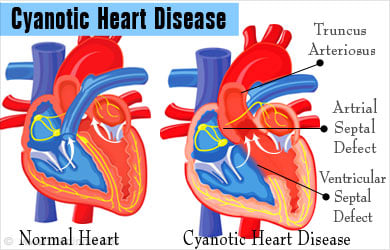
Cyanotic heart disease is a group of congenital heart defects that lead to low oxygen levels in the blood. The word “cyanotic” comes from “cyanosis,” which refers to the bluish discoloration of the skin caused by insufficient oxygen.
In a healthy heart, oxygen-poor blood travels to the lungs to receive oxygen and then circulates throughout the body. However, in people with cyanotic heart disease, structural abnormalities in the heart disrupt this process. As a result, oxygen-poor blood mixes with oxygen-rich blood and circulates through the body.
This condition is usually present at birth and is considered a type of congenital heart disease.
Why Cyanosis Occurs in Heart Conditions
Cyanosis occurs when the oxygen level in the bloodstream drops below normal. In many cases of cyanotic heart disease, the heart defect allows blood to bypass the lungs or mix with oxygen-poor blood.
When tissues do not receive enough oxygen, the skin may appear bluish, especially around the lips, fingers, and toes.
Importance of Early Diagnosis
Early diagnosis plays a crucial role in managing cyanotic heart disease. Many cases are detected during infancy through physical examination, pulse oximetry tests, or prenatal ultrasound. Early treatment helps prevent complications and improves the quality of life for affected individuals.
Causes of Cyanotic Heart Disease

Congenital Heart Defects
Most cases of cyanotic heart disease are caused by congenital heart defects, which are structural abnormalities in the heart present at birth. These defects can affect the heart valves, walls, or blood vessels.
Some defects create abnormal pathways that allow oxygen-poor blood to circulate in the body.
Genetic Factors
Genetics can play a role in the development of heart defects. Certain genetic syndromes or chromosomal abnormalities may increase the risk of congenital heart conditions.
If a parent has a congenital heart defect, the likelihood of a child developing a similar condition may be slightly higher.
Environmental Influences
Environmental factors during pregnancy can also contribute to heart defects. These may include:
-
Certain infections during pregnancy
-
Exposure to harmful chemicals
-
Poor maternal nutrition
-
Smoking or alcohol consumption
Proper prenatal care helps reduce these risks.
Types of Cyanotic Heart Disease

Several congenital heart defects fall under the category of cyanotic heart disease. Each condition affects blood circulation differently.
Common Types of Cyanotic Heart Disease
| Condition | Description |
|---|---|
| Tetralogy of Fallot | A combination of four heart defects affecting blood flow |
| Transposition of the Great Arteries | The two main arteries leaving the heart are reversed |
| Tricuspid Atresia | The tricuspid valve is missing or poorly developed |
| Truncus Arteriosus | A single blood vessel comes out of the heart instead of two |
| Total Anomalous Pulmonary Venous Return | Pulmonary veins connect incorrectly to the heart |
These conditions often require specialized treatment and sometimes surgical correction.
Symptoms of Cyanotic Heart Disease
The symptoms of cyanotic heart disease can vary depending on the severity of the defect and the individual’s age.
Common Symptoms
-
Bluish skin, lips, or fingernails
-
Rapid breathing or shortness of breath
-
Fatigue or weakness
-
Difficulty feeding in infants
-
Poor weight gain in babies
-
Clubbing of fingers and toes
-
Heart murmurs
-
Delayed growth and development
Infants with severe forms of the condition may show symptoms shortly after birth.
Symptoms in Infants
Babies may experience:
-
Trouble feeding
-
Sweating while feeding
-
Slow weight gain
-
Breathing problems
Parents should seek medical attention if these signs appear.
Diagnosis of Cyanotic Heart Disease

Doctors use several medical tests to diagnose cyanotic heart disease and determine the severity of the condition.
Physical Examination
A doctor may detect abnormal heart sounds called murmurs during a routine examination. Cyanosis and breathing difficulties may also indicate heart problems.
Pulse Oximetry
Pulse oximetry measures oxygen levels in the blood. Low oxygen saturation may suggest the presence of cyanotic heart disease.
Echocardiogram
An echocardiogram uses ultrasound waves to create images of the heart. It helps doctors identify structural defects and assess blood flow.
Additional Diagnostic Tests
Other tests may include:
-
Chest X-ray
-
Electrocardiogram (ECG)
-
Cardiac catheterization
-
MRI or CT scan
These tests provide detailed information about heart function and structure.
Treatment Options for Cyanotic Heart Disease

Treatment for cyanotic heart disease depends on the specific defect, severity, and age of the patient.
Medications
Certain medications may help manage symptoms and improve heart function. These may include drugs that:
-
Improve blood circulation
-
Prevent blood clots
-
Reduce fluid buildup
Oxygen Therapy
Oxygen therapy may help increase oxygen levels in the blood, especially in infants with breathing difficulties.
Surgical Treatment
Many congenital heart defects require surgery to correct the abnormal heart structure.
Common surgical procedures include:
-
Repairing holes in the heart
-
Reconstructing blood vessels
-
Installing heart valves
-
Complete heart reconstruction
Advances in pediatric heart surgery have significantly improved survival rates.
Long-Term Medical Care
People with cyanotic heart disease often require lifelong medical monitoring. Regular checkups with a cardiologist help detect complications early.
Complications of Cyanotic Heart Disease
Without proper treatment, cyanotic heart disease can lead to several complications.
Possible Complications
-
Heart failure
-
Blood clots
-
Stroke
-
Brain abscess
-
Abnormal heart rhythms
-
Growth delays in children
Early medical care reduces the risk of these complications.
Living With Cyanotic Heart Disease
Living with cyanotic heart disease requires ongoing medical care and lifestyle adjustments. However, many individuals lead productive and fulfilling lives.
Lifestyle Recommendations
Patients may benefit from:
-
Balanced nutrition
-
Regular medical checkups
-
Moderate physical activity
-
Avoiding smoking and alcohol
-
Managing stress
Parents of children with congenital heart defects should work closely with healthcare providers to ensure proper care.
Emotional Support
A chronic condition can be emotionally challenging. Support from family, friends, and counseling services can help individuals cope with stress and anxiety.
Prevention and Risk Reduction
While not all congenital heart defects can be prevented, certain measures may reduce the risk.
Healthy Pregnancy Practices
Pregnant women can lower the risk of birth defects by:
-
Taking prenatal vitamins with folic acid
-
Avoiding alcohol and smoking
-
Managing chronic health conditions
-
Receiving recommended vaccinations
Genetic Counseling
Couples with a family history of congenital heart disease may benefit from genetic counseling before pregnancy.
Prenatal Screening
Advanced prenatal screening techniques can detect many heart defects before birth, allowing doctors to plan appropriate treatment.
Quick Facts About Cyanotic Heart Disease
What is cyanotic heart disease?
It is a group of congenital heart defects that cause low oxygen levels in the blood, leading to bluish skin discoloration.
What causes it?
It is usually caused by structural abnormalities in the heart present at birth.
What are the main symptoms?
Common symptoms include bluish skin, breathing difficulties, fatigue, and poor growth in infants.
How is it treated?
Treatment may include medications, oxygen therapy, and surgical correction of heart defects.
When to See a Doctor
Seek medical attention if you or your child experiences:
-
Persistent bluish skin or lips
-
Difficulty breathing
-
Rapid heartbeat
-
Poor feeding in infants
-
Sudden fatigue or fainting
Early evaluation can help diagnose cyanotic heart disease and prevent serious complications.
Conclusion
Cyanotic heart disease is a serious congenital condition that affects blood oxygen levels due to structural abnormalities in the heart. Although it can be life-threatening, early diagnosis and modern medical treatments have greatly improved outcomes for many patients.
With proper medical care, lifestyle management, and regular monitoring, individuals with cyanotic heart disease can lead longer and healthier lives. Awareness of symptoms and timely medical intervention remain essential in managing this condition effectively.
Read More:-Vive Adolescent Care Program: Teen Health and Development