

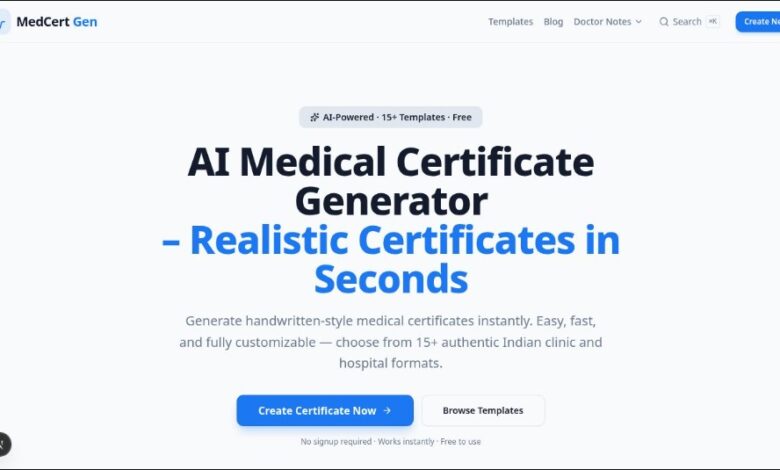
A medical certificate is an official document issued by a licensed healthcare professional to confirm a person’s medical condition, fitness, illness, or treatment status. It serves as legal proof of health-related circumstances and is commonly required in workplaces, educational institutions, insurance claims, and government procedures. The importance of a medical certificate has increased significantly as organizations seek verified documentation for health-related absences and fitness assessments.
Whether an individual needs leave from work due to illness, proof of recovery after treatment, or certification for participation in physical activities, a medical certificate provides reliable evidence. It helps maintain transparency between patients, employers, schools, and authorities. Since healthcare professionals are trained to assess medical conditions accurately, their certification carries legal and professional credibility.
In today’s world, obtaining a medical certificate has become a standard process that supports both personal and professional needs. Understanding its purpose, types, and application process can help individuals use this document effectively whenever required.
What Is a Medical Certificate?
A medical certificate is a written statement issued by a registered doctor or healthcare provider after examining a patient. The document verifies a person’s health condition and may include details such as diagnosis, treatment recommendations, fitness status, or the period during which the individual is unable to perform certain activities.
The primary objective of a medical certificate is to provide official confirmation of a health-related issue. It acts as evidence that an illness, injury, or medical condition genuinely exists and requires attention or accommodation.
Medical certificates are widely accepted because they are issued by qualified professionals who follow ethical and legal guidelines. Depending on the purpose, the certificate may be simple and brief or detailed and comprehensive. In most cases, it includes the healthcare provider’s name, registration number, signature, and date of issuance.
As healthcare systems evolve, digital medical certificates are becoming increasingly common, offering convenience while maintaining authenticity and security.
Importance of a Medical Certificate
A medical certificate plays a crucial role in many aspects of modern life. It provides an official record of an individual’s health condition and helps organizations make informed decisions regarding leave approvals, insurance claims, and fitness evaluations.
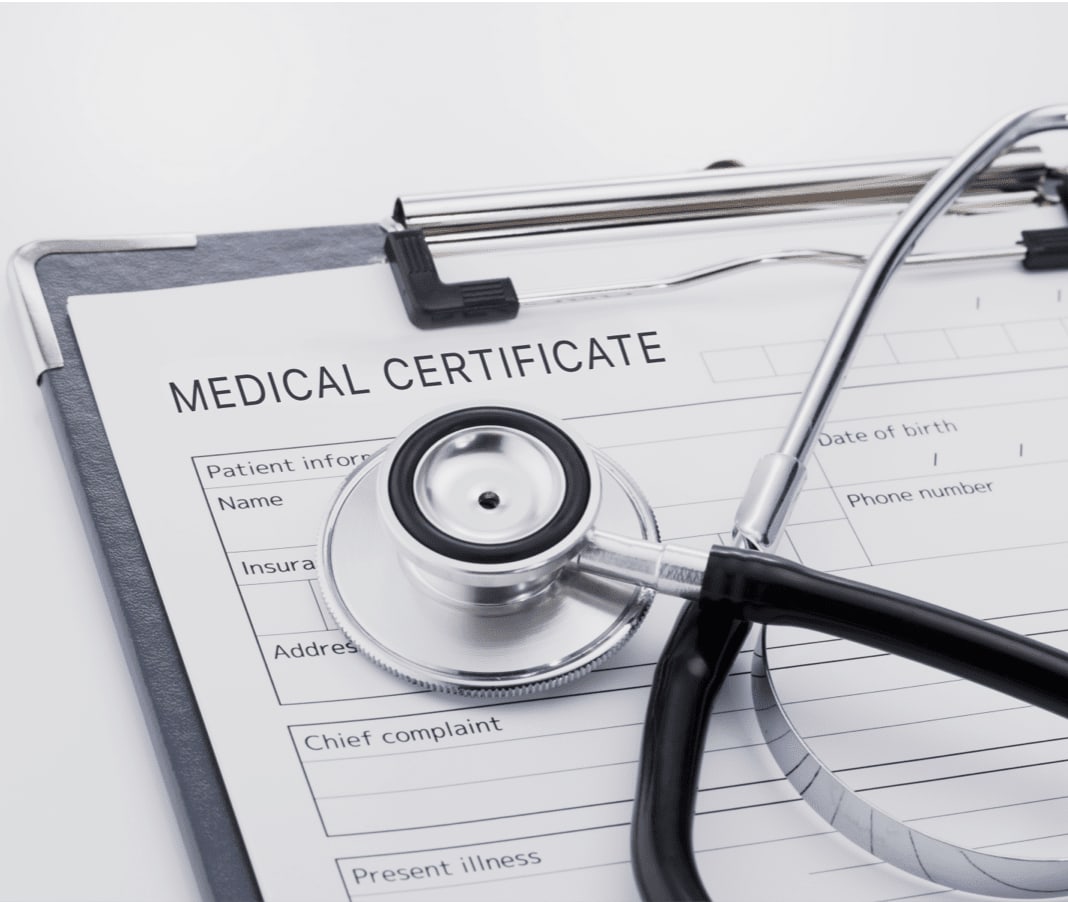
Some major reasons why medical certificates are important include:
- Proof of illness or injury
- Support for sick leave applications
- Verification for insurance claims
- Fitness certification for employment
- Documentation for legal purposes
- Academic leave justification
- Travel-related health verification
Without a valid medical certificate, many organizations may not approve requests related to health issues. Therefore, obtaining proper documentation from a qualified healthcare professional is essential whenever a health condition affects work, education, or other responsibilities.
Common Types of Medical Certificates
Different situations require different forms of medical certification. Understanding the various types can help individuals obtain the appropriate document for their needs.
| Type of Certificate | Purpose |
|---|---|
| Sick Leave Certificate | Confirms illness and inability to work or study |
| Fitness Certificate | Verifies physical fitness for activities or employment |
| Recovery Certificate | Indicates successful recovery from illness |
| Medical Examination Certificate | Documents results of health assessments |
| Disability Certificate | Confirms permanent or temporary disability |
| Insurance Medical Certificate | Supports insurance claims |
| Travel Medical Certificate | Required for specific travel situations |
Each type serves a unique purpose and contains information relevant to the situation. Healthcare providers determine the appropriate format based on the patient’s condition and requirements.
Situations Where a Medical Certificate Is Required
A medical certificate may be required in numerous personal and professional situations. Organizations often request medical documentation to ensure compliance with policies and regulations.
Employees frequently need medical certificates when taking extended sick leave. Employers use these documents to verify that the absence is due to legitimate health concerns. Educational institutions may require students to submit medical certificates when missing examinations, classes, or important academic activities.
Insurance companies often request medical certificates to process claims related to hospitalization, treatment, or disability. Government agencies may also require health certifications for licenses, benefits, or legal procedures.
Sports organizations commonly require fitness certificates before allowing athletes to participate in competitions. Similarly, some employers demand health certifications before hiring candidates for physically demanding roles.
These examples demonstrate the widespread importance of medical certificates across various sectors and activities.
Information Included in a Medical Certificate
A professionally prepared medical certificate contains specific details that ensure authenticity and clarity. While formats may vary, most certificates include essential information that verifies the patient’s health status.
Typical information includes:
- Patient’s full name
- Age or date of birth
- Date of examination
- Medical findings
- Diagnosis (if applicable)
- Recommended rest period
- Fitness or unfitness status
- Doctor’s name and qualifications
- Registration number
- Signature and official stamp
The information provided must be accurate and truthful. Healthcare professionals are ethically and legally responsible for ensuring that all statements included in a medical certificate reflect their professional assessment.
Organizations reviewing these certificates rely on the accuracy of the information when making decisions regarding leave, accommodations, or benefits.
How to Obtain a Medical Certificate
Obtaining a medical certificate is generally a straightforward process. Individuals should first schedule an appointment with a qualified healthcare provider who can assess their condition.

During the consultation, the doctor evaluates symptoms, medical history, and any relevant test results. Based on the findings, the healthcare professional determines whether a certificate is necessary and what information should be included.
The typical process involves:
- Booking a medical appointment.
- Undergoing a health examination.
- Discussing symptoms and concerns.
- Receiving a diagnosis or assessment.
- Requesting the appropriate certificate.
- Collecting the signed document.
Patients should always provide honest information during consultations. Misrepresenting symptoms to obtain a medical certificate can lead to ethical and legal consequences.
Many healthcare facilities now offer electronic certificates, making the process faster and more convenient for patients and organizations.
Legal and Ethical Considerations
Medical certificates carry legal significance because they serve as official records of health-related conditions. Healthcare professionals must adhere to strict ethical standards when issuing these documents.
Doctors should only provide certificates after conducting an appropriate examination and assessment. Issuing false or misleading certificates can result in disciplinary action, legal penalties, and damage to professional reputation.
Patients also have responsibilities. They must use medical certificates honestly and only for legitimate purposes. Submitting altered or fraudulent documents can lead to employment consequences, academic penalties, or legal action.
Organizations should respect patient privacy when handling medical certificates. Sensitive health information should be stored securely and accessed only by authorized personnel.
These legal and ethical principles help maintain trust in the medical certification process and ensure that documents remain reliable and credible.
Benefits of Digital Medical Certificates
Technology has transformed healthcare documentation, including the issuance of medical certificates. Digital certificates offer several advantages over traditional paper-based documents.
Key Benefits
- Faster issuance and delivery
- Reduced paperwork
- Improved security features
- Easier storage and retrieval
- Enhanced verification processes
- Environmentally friendly documentation
- Greater accessibility for patients
Many healthcare providers now use secure electronic systems to generate medical certificates. These systems often include digital signatures and verification mechanisms that reduce the risk of fraud.
As digital healthcare services continue to expand, electronic medical certificates are expected to become even more common across workplaces, educational institutions, and government agencies.
Challenges Associated with Medical Certificates
Despite their importance, medical certificates can present certain challenges. Verification issues, fraudulent documentation, and varying organizational requirements sometimes create complications.
Common challenges include:
| Challenge | Impact |
|---|---|
| Fake Certificates | Loss of trust and legal concerns |
| Verification Delays | Administrative difficulties |
| Privacy Issues | Risk of sensitive information exposure |
| Different Requirements | Confusion among applicants |
| Limited Access to Healthcare | Difficulty obtaining certification |
Organizations and healthcare providers continue developing improved verification systems to address these challenges. Digital authentication tools and secure record management practices are helping reduce fraud and improve efficiency.
Understanding these challenges allows individuals and institutions to handle medical certification more effectively and responsibly.
Best Practices for Using a Medical Certificate
Proper use of a medical certificate ensures smooth communication between patients and organizations. Following best practices can help prevent misunderstandings and delays.
Recommended practices include:
- Obtain certificates from licensed professionals only.
- Ensure all information is accurate and complete.
- Submit documents promptly when required.
- Keep copies for personal records.
- Protect sensitive medical information.
- Verify organizational requirements beforehand.
- Use certificates only for legitimate purposes.
Adhering to these guidelines helps maintain the credibility of medical documentation and ensures compliance with relevant policies and regulations.
Future of Medical Certificates
The future of medical certificates is closely linked to advancements in digital healthcare technologies. Telemedicine, electronic health records, and secure digital verification systems are reshaping how medical documentation is created and managed.
Artificial intelligence and automated verification tools may further streamline the certification process. Healthcare providers could issue certificates more efficiently while maintaining high standards of accuracy and security.
Governments and organizations are also exploring standardized digital formats that can be recognized across multiple institutions. Such developments may reduce administrative burdens and improve accessibility for patients.
As technology continues to evolve, medical certificates will likely become more secure, efficient, and widely accepted in digital formats.
Conclusion
A medical certificate is an essential document that provides official verification of a person’s health condition, fitness, illness, or recovery status. It plays a critical role in employment, education, insurance, legal matters, and many other areas of life. By offering credible medical evidence, it helps organizations make informed decisions while protecting the interests of individuals.


