


Maintaining a healthy lifestyle does not always mean eating small portions or feeling hungry throughout the day. Choosing the right foods can help you stay satisfied while managing your calorie intake. Many people believe that low-calorie meals are boring or leave them craving more food, but this is not true. Foods that are rich in fiber, protein, water content, and essential nutrients can provide fullness without adding excessive calories. Understanding the best food choices can make weight management easier and more enjoyable. The right low calorie foods that are filling can support balanced nutrition, improve energy levels, and help create healthier eating habits without making you feel restricted.
Why Filling Low Calorie Foods Are Important
The main reason people struggle with healthy eating is hunger. When meals do not provide enough satisfaction, it becomes easier to snack frequently or consume high-calorie foods. Filling foods help control appetite by keeping the stomach satisfied for a longer period. Foods with high volume and low energy density allow you to eat larger portions while consuming fewer calories.
Fiber-rich foods slow digestion and help maintain steady energy levels. Protein-based foods also play an important role because they support muscle health and increase feelings of fullness. Including vegetables, fruits, lean proteins, and whole grains in daily meals can create a balanced diet. Choosing low calorie foods that are filling can help reduce unnecessary calorie intake while still allowing you to enjoy delicious and satisfying meals.
Vegetables That Keep You Full With Fewer Calories
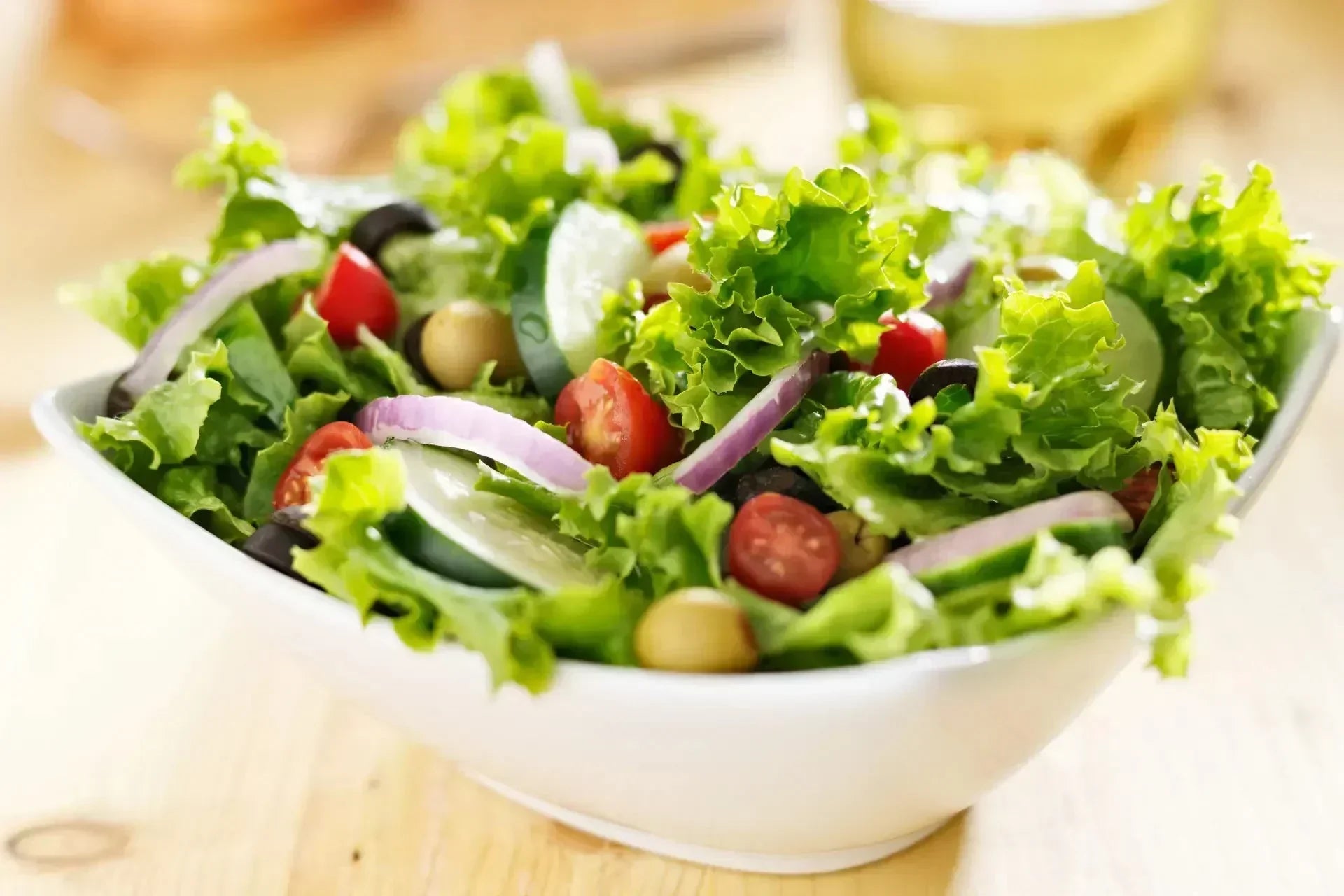
Vegetables are among the best options when looking for satisfying foods with fewer calories. Most vegetables contain a high amount of water and fiber, which adds volume to meals and helps you feel full. Leafy greens, cucumbers, tomatoes, carrots, spinach, broccoli, and cauliflower are excellent choices for adding nutrition without increasing calories significantly.
These vegetables provide important vitamins, minerals, and antioxidants that support overall health. They can be included in salads, soups, stir-fries, or as side dishes with main meals. Since vegetables are naturally low in calories but high in nutrients, they are ideal for people who want to manage their weight while enjoying larger portions. Adding different vegetables to meals is one of the simplest ways to include low calorie foods that are filling in your everyday routine.
Fruits That Provide Fullness and Natural Sweetness
Fruits are another excellent option for satisfying hunger while keeping calorie intake under control. Many fruits contain fiber and natural water content, which helps increase fullness. Apples, oranges, berries, watermelon, grapefruit, and pears are popular choices because they provide sweetness along with important nutrients.
Unlike processed snacks that often contain added sugars and empty calories, whole fruits provide vitamins and minerals that support health. Eating fruit as a snack or adding it to breakfast can help reduce cravings for unhealthy foods. The fiber found in fruits also supports digestion and helps you stay satisfied between meals. Including fruits regularly can make your diet more enjoyable while adding more low calorie foods that are filling to your daily nutrition plan.
Protein Rich Foods for Long Lasting Fullness
Protein is one of the most important nutrients for controlling hunger. Foods high in protein take longer to digest and can help you feel satisfied after meals. Eggs, Greek yogurt, cottage cheese, lentils, beans, tofu, chicken breast, and fish are examples of protein-rich foods that can support a healthy eating pattern.
Including protein in every meal can help maintain energy and reduce frequent snacking. For example, a breakfast with eggs or yogurt can keep you full longer compared to a meal containing only refined carbohydrates. Protein also supports muscle maintenance, especially when combined with regular physical activity. Choosing protein-based low calorie foods that are filling can make it easier to follow a balanced diet while avoiding excessive calorie consumption.
Whole Grains That Support Healthy Eating
Whole grains are a great source of complex carbohydrates and fiber. Unlike refined grains, whole grains digest slowly and provide longer-lasting energy. Foods such as oats, brown rice, quinoa, whole wheat bread, and barley can help create satisfying meals.
Fiber in whole grains absorbs water and expands in the digestive system, which can increase feelings of fullness. A bowl of oatmeal topped with fruit or a meal containing quinoa and vegetables can provide lasting satisfaction. Whole grains also contain essential nutrients that support overall wellness. Including moderate amounts of whole grains in meals can help you enjoy nutritious and balanced food choices without feeling hungry quickly.
Soups and High Volume Foods for Better Portion Control
Soups can be a helpful addition to a healthy eating plan because they often provide a large portion with fewer calories. Vegetable-based soups, lentil soups, and broth-based soups can help fill the stomach before or during meals. The high water content in soups increases food volume, which may help control appetite.
High-volume foods allow you to enjoy more food while keeping calories lower. Salads, vegetable dishes, and soups are examples of meals that provide satisfaction through volume rather than calorie density. These options are especially useful for people who want to reduce portion sizes of high-calorie foods without feeling deprived. Including soups and other low calorie foods that are filling can support better eating habits and improved meal satisfaction.
Healthy Snacks That Reduce Hunger
Snacking can become a problem when people choose foods that are high in calories but low in nutrients. Selecting healthier snacks can help maintain energy levels and prevent overeating during main meals. Options such as roasted chickpeas, popcorn without excessive toppings, boiled eggs, yogurt, fruits, and vegetable sticks can provide satisfaction between meals.
A good snack should contain nutrients that support fullness, such as protein and fiber. Planning snacks in advance can prevent reaching for processed foods when hunger increases. Healthy snacks are not only useful for weight management but also help maintain consistent energy throughout the day. Making smart snack choices with low calorie foods that are filling can create a more sustainable approach to healthy eating.
How to Include Filling Low Calorie Foods in Daily Meals
Creating balanced meals is easier when you focus on combining different food groups. A meal containing vegetables, protein, and healthy carbohydrates can provide better satisfaction than a meal focused on only one type of food. For example, combining grilled protein with vegetables and whole grains can create a nutritious plate.
Breakfast can include oats with fruit, lunch can include vegetables with protein sources, and dinner can focus on lighter meals with plenty of nutrients. Drinking enough water and eating slowly can also improve feelings of fullness. Small changes in food choices can create long-term benefits without requiring extreme diets. Making low calorie foods that are filling a regular part of your routine can help improve eating habits naturally.
Benefits of Choosing Filling Low Calorie Foods
Choosing foods that provide fullness with fewer calories offers several benefits. It can support healthy weight management, improve digestion, and provide essential nutrients needed for daily activities. These foods can also help reduce dependence on processed snacks and sugary foods.
A diet based on nutritious and satisfying foods is easier to maintain because it does not create constant hunger. When people enjoy their meals and feel satisfied, they are more likely to continue healthy habits. Filling foods also encourage mindful eating by helping individuals focus on nutrition rather than simply reducing food intake.
Common Mistakes When Choosing Low Calorie Foods
Many people make the mistake of choosing foods only because they contain fewer calories. However, a food being low in calories does not always mean it will provide proper nutrition or satisfaction. Some low-calorie processed foods may contain added ingredients and provide limited nutrients.
Another mistake is avoiding important nutrients like healthy fats and proteins. A balanced diet should include different nutrients in appropriate amounts. The goal should be choosing foods that support health while keeping calories reasonable. Understanding the difference between nutritious and simply low-calorie options can improve long-term results.
Conclusion
Finding the right foods can make healthy eating easier and more enjoyable. The best choices are those that provide important nutrients while helping control hunger throughout the day. Vegetables, fruits, lean proteins, whole grains, and healthy snacks can all contribute to a satisfying diet.
The idea behind low calorie foods that are filling is not about eating less food but about choosing smarter options that provide more nutrition and satisfaction. By including these foods regularly, you can support better energy levels, healthier habits, and a balanced approach to managing your diet. Making small improvements in daily food choices can create lasting positive changes for overall wellness.
Read More:- Filling Low Calorie Foods for Healthy Weight Management