
Why Prevention Is Better Than Cure in Modern Healthcare

Introduction
In today’s fast-paced world, health challenges are increasing rapidly. From lifestyle disorders like diabetes and heart disease to infectious outbreaks, modern healthcare systems face growing pressure. Amid rising medical expenses and complex treatments, one timeless principle remains highly relevant: prevention is better than cure.
This phrase is more than a proverb—it is the foundation of sustainable healthcare. Modern medicine now emphasizes early detection, lifestyle modification, and risk reduction rather than waiting for diseases to progress. In this article, we explore why prevention is better than cure, how it applies to modern healthcare, and what individuals and governments can do to promote preventive health.
Understanding the Meaning of Prevention in Healthcare

The phrase “prevention is better than cure” suggests that avoiding disease is far more effective, affordable, and beneficial than treating it after it develops.
Historical Perspective
The idea dates back centuries and has been widely adopted in medical philosophy. Ancient healing systems like Ayurveda and traditional medicine focused heavily on maintaining balance and preventing illness rather than only treating symptoms.
Today, global health organizations such as the World Health Organization strongly promote preventive healthcare strategies to reduce disease burden worldwide.
Types of Prevention in Modern Medicine
Modern healthcare categorizes prevention into three levels:
1. Primary Prevention
This aims to stop disease before it starts.
Examples:
-
Vaccinations
-
Healthy diet
-
Regular exercise
-
Avoiding tobacco
2. Secondary Prevention
This focuses on early detection.
Examples:
-
Blood pressure screening
-
Cancer screenings
-
Diabetes testing
3. Tertiary Prevention
This reduces complications after diagnosis.
Examples:
-
Rehabilitation programs
-
Lifestyle adjustments after heart attack
-
Physical therapy
All three levels reinforce why prevention is better than cure in long-term health planning.
Rising Burden of Lifestyle Diseases
Modern lifestyles have contributed to an increase in:
-
Type 2 diabetes
-
Obesity
-
Cardiovascular diseases
-
Hypertension
-
Certain cancers
According to the World Health Organization, non-communicable diseases account for the majority of global deaths.
Most of these conditions are preventable through:
-
Balanced nutrition
-
Physical activity
-
Stress management
-
Regular screening
This clearly demonstrates that prevention is better than cure, especially for chronic illnesses.
Cost-Effectiveness of Preventive Healthcare
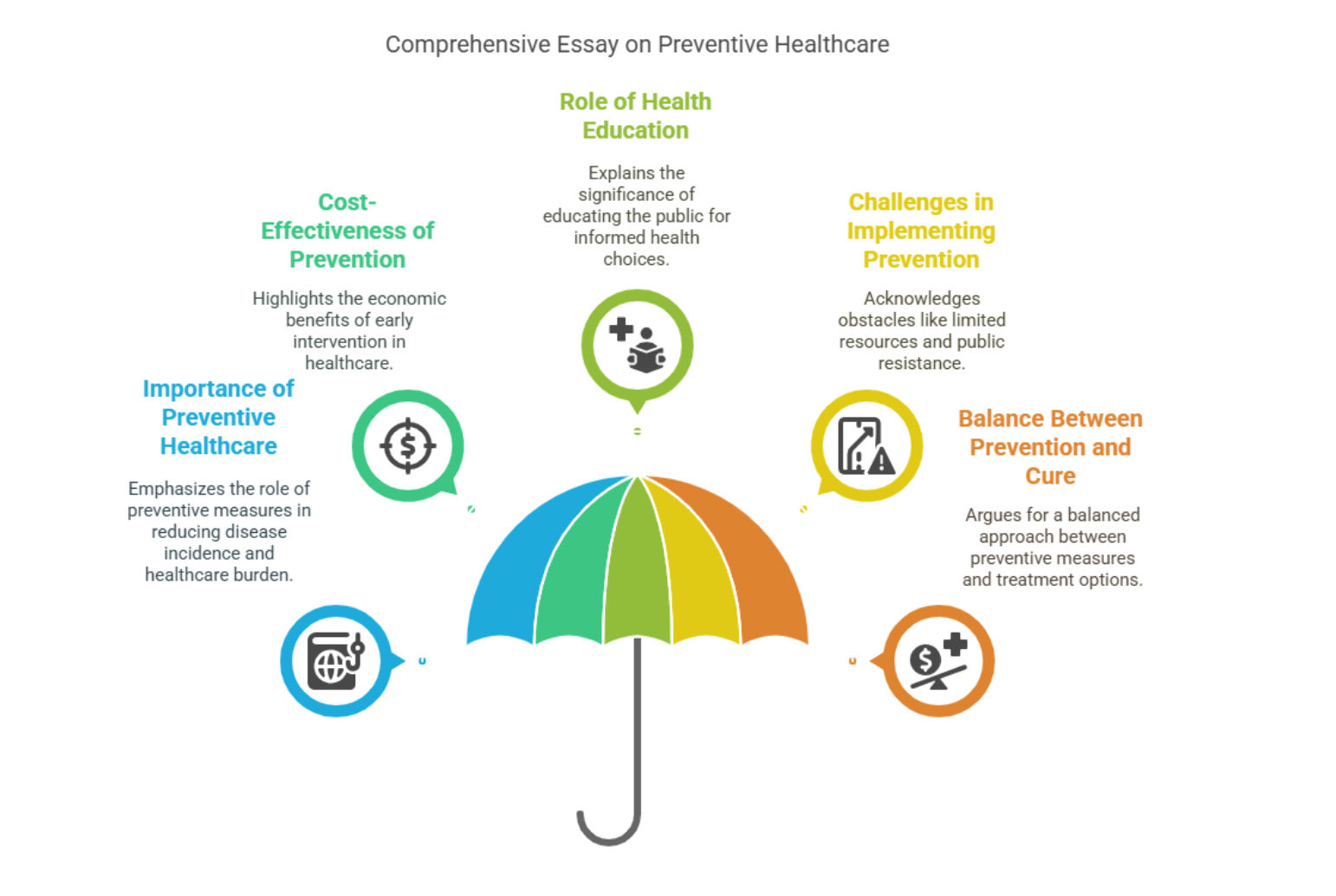
Healthcare costs worldwide are rising dramatically. Treatments such as surgeries, long-term medications, and hospital stays are expensive.
Comparison Table: Prevention vs Cure
| Aspect | Prevention | Cure |
|---|---|---|
| Cost | Low to Moderate | High |
| Risk | Minimal | Higher due to procedures |
| Long-Term Impact | Sustainable health | Possible complications |
| Quality of Life | Maintained | Often reduced during recovery |
| Healthcare Burden | Reduced | Increased |
Preventive measures like vaccination and early screenings are far more affordable than advanced treatments.
Vaccination: A Powerful Example of Prevention
Vaccination programs have prevented millions of deaths worldwide. Diseases such as polio and smallpox have been significantly reduced due to immunization drives.
When communities adopt vaccination programs, they build herd immunity. This is a strong real-world example proving that prevention is better than cure in infectious disease management.
Preventive Healthcare and Mental Health
Mental health is another area where prevention plays a critical role.
Early Intervention Strategies
-
Stress management programs
-
School counseling
-
Workplace mental wellness initiatives
-
Therapy and support groups
Early screening for anxiety and depression can prevent severe mental health crises later.
The Role of Nutrition in Prevention
Diet is one of the most powerful preventive tools.
Healthy Eating Habits Include:
-
Consuming fruits and vegetables
-
Reducing processed foods
-
Limiting sugar intake
-
Drinking adequate water
Poor nutrition increases the risk of obesity, diabetes, and heart disease. Balanced nutrition supports immunity and longevity.
Exercise and Physical Activity
Regular exercise:
-
Strengthens the heart
-
Improves metabolism
-
Reduces stress
-
Maintains healthy weight
-
Enhances mental clarity
Experts recommend at least 30 minutes of moderate exercise five days a week. This small effort significantly lowers disease risk.
Routine Health Checkups
Many diseases are silent in early stages. Regular screenings can detect:
-
High blood pressure
-
High cholesterol
-
Early cancer
-
Thyroid imbalance
Early detection ensures easier treatment and fewer complications. Again, prevention is better than cure because early-stage conditions are easier and cheaper to manage.
Public Health Initiatives and Government Role

Governments worldwide invest in preventive programs such as:
-
Free vaccination drives
-
Public awareness campaigns
-
School health programs
-
Sanitation initiatives
-
Clean water supply systems
Preventive healthcare reduces pressure on hospitals and saves national healthcare budgets.
Technology and Preventive Healthcare
Modern technology has transformed prevention.
Examples:
-
Wearable fitness trackers
-
Telemedicine consultations
-
Health monitoring apps
-
AI-based disease risk prediction
Technology empowers individuals to track their health and detect early warning signs.
Why Is Prevention Better Than Cure?
Prevention is better than cure because it reduces disease risk before it develops, lowers healthcare costs, improves quality of life, and minimizes complications. Preventive healthcare focuses on early detection, healthy lifestyle habits, and vaccination to maintain long-term well-being.
Benefits of Preventive Healthcare
-
Longer life expectancy
-
Reduced healthcare costs
-
Better productivity
-
Lower stress levels
-
Improved community health
By focusing on preventive strategies, healthcare systems can shift from reactive treatment to proactive wellness.
Challenges in Implementing Prevention
Despite its advantages, preventive healthcare faces challenges:
1. Lack of Awareness
Many people seek medical care only when symptoms appear.
2. Lifestyle Habits
Unhealthy eating, smoking, and sedentary behavior are difficult to change.
3. Accessibility Issues
Rural and underserved communities may lack preventive services.
4. Short-Term Thinking
People often prioritize immediate comfort over long-term health benefits.
Addressing these barriers requires education and community engagement.
Prevention in Workplace and Schools
Organizations now focus on:
-
Health checkup camps
-
Stress reduction workshops
-
Fitness challenges
-
Nutrition awareness programs
Schools promote hygiene, vaccination, and health education to instill preventive habits early.
Real-Life Examples Supporting Prevention
-
Regular exercise reducing heart disease risk
-
Vaccination preventing deadly infections
-
Early cancer detection increasing survival rates
-
Lifestyle changes reversing prediabetes
These examples reinforce that prevention is better than cure across different health domains.
Long-Term Impact on Society
When prevention becomes a priority:
-
Healthcare costs decline
-
Workforce productivity improves
-
Families experience fewer medical crises
-
National economic growth strengthens
Healthy citizens contribute positively to society.
Frequently Asked Questions (FAQs)
Why is prevention is better than cure important today?
Because modern diseases are often lifestyle-related and preventable. Early action reduces complications and costs.
How can individuals practice preventive healthcare?
By eating healthy, exercising regularly, avoiding tobacco, managing stress, and undergoing routine checkups.
Does prevention reduce healthcare expenses?
Yes. Preventive care significantly reduces long-term treatment and hospitalization costs.
What is the most effective preventive measure?
Vaccination, healthy lifestyle habits, and regular screening are among the most effective measures.
Conclusion
Modern healthcare is evolving from reactive treatment to proactive prevention. The principle that prevention is better than cure is no longer just a saying—it is a necessity.
Chronic diseases, rising medical costs, and mental health challenges make preventive healthcare more important than ever. By embracing healthy habits, participating in regular screenings, supporting vaccination programs, and promoting awareness, individuals and governments can create a healthier future.
Ultimately, investing in prevention means investing in a longer, happier, and more productive life. When prevention becomes a lifestyle, cure becomes less necessary—and that is the true success of modern healthcare.