

Hair loss is one of the most common concerns affecting both men and women. While genetics, hormonal changes, stress, and medical conditions are well-known causes, nutritional deficiencies often play an equally important role. If you’ve been wondering which vitamin deficiency causes hair loss, you’re not alone. Hair follicles require a constant supply of vitamins and minerals to grow strong, healthy strands. Without adequate nutrition, the hair growth cycle can become disrupted, leading to thinning, excessive shedding, and slower regrowth.
Understanding the connection between vitamins and hair health can help you identify potential deficiencies before they become severe. In many cases, correcting nutritional imbalances can significantly improve hair quality over time. However, not all hair loss is caused by vitamin deficiencies, making proper diagnosis essential before starting supplements. This guide explores the vitamins most closely linked to hair loss, their symptoms, treatment options, and practical ways to maintain healthy hair through proper nutrition.
Understanding the Link Between Vitamins and Hair Growth
Hair follicles are among the most active tissues in the human body. They continuously produce new cells, requiring a steady supply of nutrients to function properly. Vitamins help regulate cell growth, improve blood circulation to the scalp, support protein production, and protect follicles from oxidative stress.
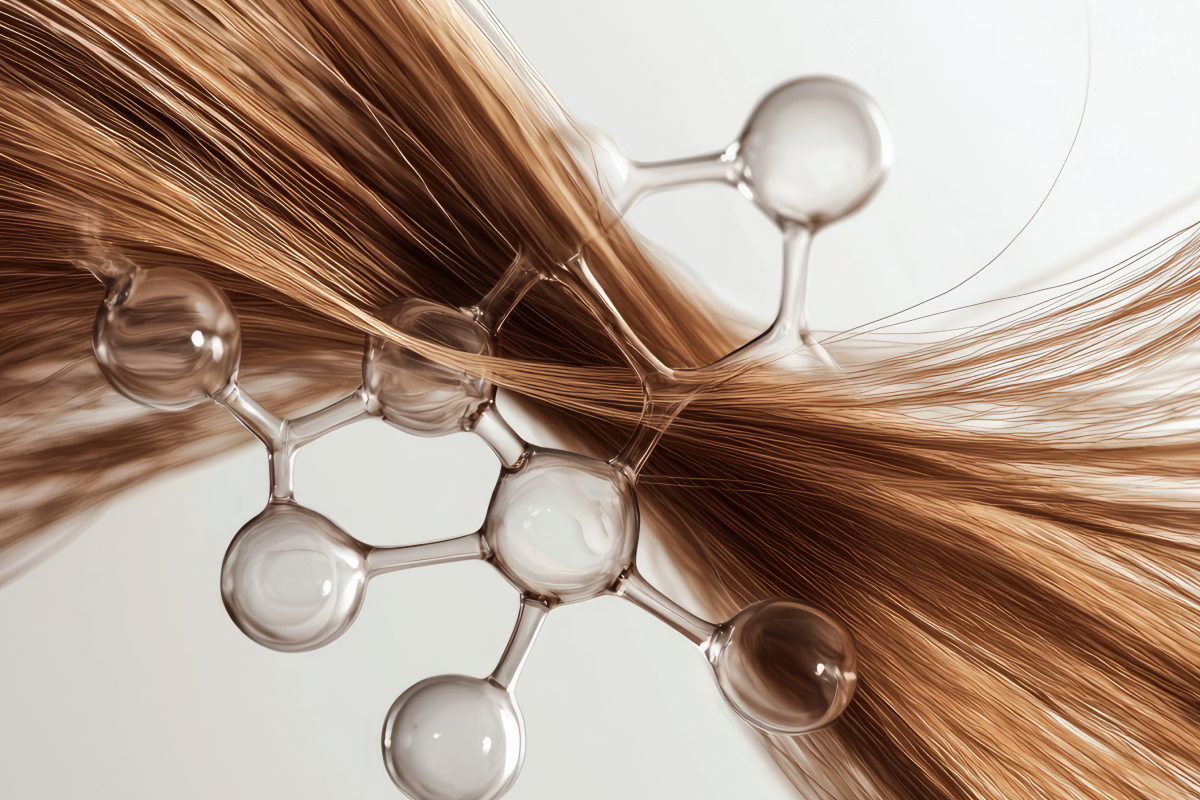
When the body lacks essential vitamins, it prioritizes vital organs over hair production. As a result, hair follicles receive fewer nutrients, causing hair to become weaker, thinner, and more likely to fall out.
If you’re asking which vitamin deficiency causes hair loss, it’s important to know that several vitamin deficiencies—not just one—can contribute to excessive shedding. Each vitamin plays a unique role in maintaining healthy hair growth.
Common Vitamin Deficiencies That Cause Hair Loss
Several vitamins are essential for strong and healthy hair. Deficiencies in one or more of these nutrients may contribute to noticeable hair thinning.
Vitamin D Deficiency
Vitamin D plays an important role in stimulating new hair follicles. Research suggests low vitamin D levels are associated with certain types of hair loss, including alopecia.
Common symptoms include:
- Increased hair shedding
- Fatigue
- Muscle weakness
- Bone pain
- Frequent illnesses
People who spend little time outdoors or live in areas with limited sunlight are more likely to develop vitamin D deficiency.
Biotin (Vitamin B7) Deficiency
Biotin is widely recognized for supporting healthy hair, skin, and nails. Although true biotin deficiency is relatively rare, inadequate levels can affect keratin production, resulting in brittle hair and increased shedding.
Signs may include:
- Hair thinning
- Brittle nails
- Skin rashes
- Fatigue
- Neurological symptoms
Biotin deficiency is more common among individuals with digestive disorders or those taking certain medications.
Vitamin B12 Deficiency
Vitamin B12 helps produce healthy red blood cells that deliver oxygen and nutrients to hair follicles. Without sufficient B12, follicles may weaken over time.
Symptoms include:
- Hair thinning
- Pale skin
- Fatigue
- Shortness of breath
- Tingling in hands and feet
Vegetarians and vegans may be at higher risk because vitamin B12 is primarily found in animal-based foods.
Folate (Vitamin B9) Deficiency
Folate supports DNA synthesis and cell division, both of which are necessary for growing healthy hair.
Low folate levels may result in:
- Hair thinning
- Weak hair strands
- Fatigue
- Mouth sores
- Poor concentration
A balanced diet rich in leafy vegetables can help maintain healthy folate levels.
Vitamin C Deficiency
Vitamin C supports collagen production and improves iron absorption, both essential for healthy hair growth.
Deficiency symptoms include:
- Weak hair
- Dry scalp
- Slow wound healing
- Bleeding gums
- Easy bruising
Vitamin C also protects hair follicles from damage caused by free radicals.
Vitamin A Deficiency
Vitamin A helps produce sebum, the natural oil that keeps the scalp moisturized. However, both deficiency and excessive intake may contribute to hair loss.
Signs of deficiency include:
- Dry scalp
- Dry skin
- Poor night vision
- Increased hair breakage
Maintaining balanced vitamin A intake is essential because too much can also trigger excessive hair shedding.
Vitamins Associated with Hair Loss
| Vitamin | Role in Hair Health | Deficiency Symptoms | Food Sources |
|---|---|---|---|
| Vitamin D | Stimulates hair follicles | Hair thinning, fatigue | Sunlight, fortified milk, eggs |
| Biotin (B7) | Keratin production | Brittle hair, weak nails | Eggs, nuts, seeds |
| Vitamin B12 | Oxygen delivery | Hair thinning, tiredness | Meat, fish, dairy |
| Folate (B9) | Cell growth | Weak hair, fatigue | Spinach, beans, broccoli |
| Vitamin C | Collagen formation | Dry hair, bleeding gums | Citrus fruits, berries |
| Vitamin A | Sebum production | Dry scalp, brittle hair | Sweet potatoes, carrots |
Can Iron and Minerals Also Affect Hair Loss?
Although many people search which vitamin deficiency causes hair loss, vitamins are only part of the picture. Minerals also play a vital role in maintaining healthy hair.
Iron deficiency is one of the leading nutritional causes of hair loss, especially among women. Iron supports oxygen transport throughout the body, including to hair follicles.
Other important minerals include:
- Zinc
- Selenium
- Magnesium
- Copper
A deficiency in these nutrients can weaken hair follicles, reduce growth, and increase shedding. Balanced nutrition is often more effective than focusing on a single vitamin alone.
Who Is Most at Risk of Vitamin Deficiencies?
Certain individuals have a greater risk of developing nutrient deficiencies that may affect hair growth.
Higher-risk groups include:
- Vegetarians and vegans
- Older adults
- Pregnant women
- Individuals with digestive disorders
- People following restrictive diets
- Those with chronic illnesses
- Individuals recovering from surgery
Regular medical checkups and blood tests can identify deficiencies before significant hair loss develops.
Symptoms That Suggest Hair Loss May Be Nutritional
Hair loss caused by vitamin deficiencies often develops gradually. Instead of sudden bald patches, people usually notice overall thinning and excessive shedding.
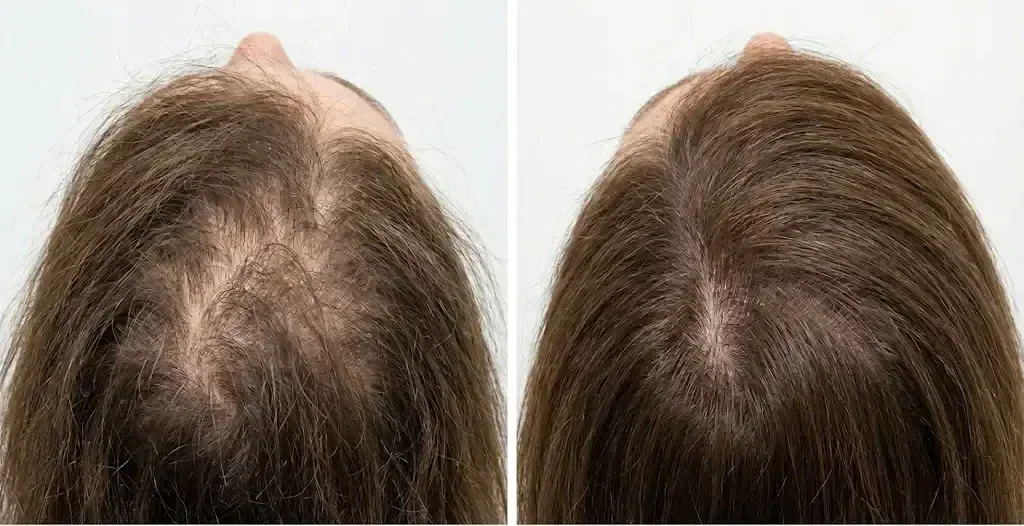
Common signs include:
- More hair in the shower drain
- Hair breaking easily
- Slower hair growth
- Thin ponytail
- Brittle nails
- Dry skin
- Persistent fatigue
- Poor concentration
If several of these symptoms occur together, nutritional deficiencies should be evaluated by a healthcare professional.
How Doctors Diagnose Vitamin Deficiencies
Since multiple conditions can cause hair loss, doctors usually begin with a detailed medical history and physical examination.
Laboratory tests may include:
- Vitamin D levels
- Vitamin B12
- Folate
- Iron studies
- Ferritin
- Complete blood count
- Thyroid function tests
- Zinc levels
Testing helps determine which vitamin deficiency causes hair loss in an individual rather than relying on assumptions or unnecessary supplements.
Best Foods to Prevent Vitamin Deficiency Hair Loss
Eating a nutrient-rich diet is one of the most effective ways to maintain healthy hair growth.
Excellent foods include:
- Eggs
- Salmon
- Lean meat
- Spinach
- Sweet potatoes
- Citrus fruits
- Greek yogurt
- Almonds
- Pumpkin seeds
- Lentils
- Avocados
- Berries
A colorful, balanced diet supplies the vitamins and minerals needed for healthy follicles while supporting overall well-being.
Should You Take Vitamin Supplements?
Supplements can be beneficial when a confirmed deficiency exists. However, taking high doses without medical advice may not improve hair growth and can sometimes worsen hair loss.
For example:
- Excess vitamin A may increase hair shedding.
- Too much selenium can damage hair.
- Unnecessary biotin supplements may interfere with certain laboratory tests.
The safest approach is to identify the deficiency first through proper testing and then follow healthcare guidance regarding dosage and duration.
Lifestyle Habits That Support Healthy Hair
Nutrition works best when combined with healthy daily habits that protect hair follicles.
Helpful practices include:
- Eat a balanced diet rich in protein.
- Stay hydrated.
- Manage stress effectively.
- Sleep seven to nine hours nightly.
- Avoid excessive heat styling.
- Limit harsh chemical treatments.
- Exercise regularly.
- Protect hair from excessive sun exposure.
- Use gentle shampoos suitable for your scalp type.
These habits improve overall scalp health while supporting stronger hair growth.
When Should You See a Doctor?
Occasional hair shedding is normal, but persistent or severe hair loss deserves medical evaluation.
Seek professional advice if you experience:
- Rapid hair thinning
- Bald patches
- Hair loss lasting longer than three months
- Scalp pain or redness
- Hair loss accompanied by fatigue or weight changes
- Family history of severe hair disorders
Early diagnosis allows underlying nutritional deficiencies or medical conditions to be treated before permanent hair damage occurs.
Conclusion
If you’ve been asking which vitamin deficiency causes hair loss, the answer is that several vitamin deficiencies—including vitamin D, biotin, vitamin B12, folate, vitamin C, and vitamin A—can contribute to excessive hair shedding. Additionally, mineral deficiencies such as iron and zinc may also play an important role in hair health. Because many different conditions can cause hair loss, identifying the exact nutritional deficiency through proper medical testing is essential before beginning supplements.
Read more: Vitamin D Deficiency Symptoms: Causes, Signs, Treatment, and Prevention