


A bright, confident smile is often associated with good health and personal confidence. Over time, however, teeth naturally become stained due to coffee, tea, wine, tobacco, and even certain foods. Professional whitening treatments can be effective but are often expensive, making at-home solutions increasingly popular. Among these options, teeth whitening strips have become one of the most trusted and convenient choices for people seeking noticeable improvements without frequent dental visits.
These thin, flexible strips are coated with whitening ingredients designed to remove stains from the tooth surface. Easy to use and widely available, they offer an affordable solution for many people. While results vary depending on the severity of staining and the product used, consistent application can produce a visibly brighter smile within a couple of weeks. Understanding how these strips work, their advantages, limitations, and proper usage can help you achieve the best possible results safely.
What Are Teeth Whitening Strips?
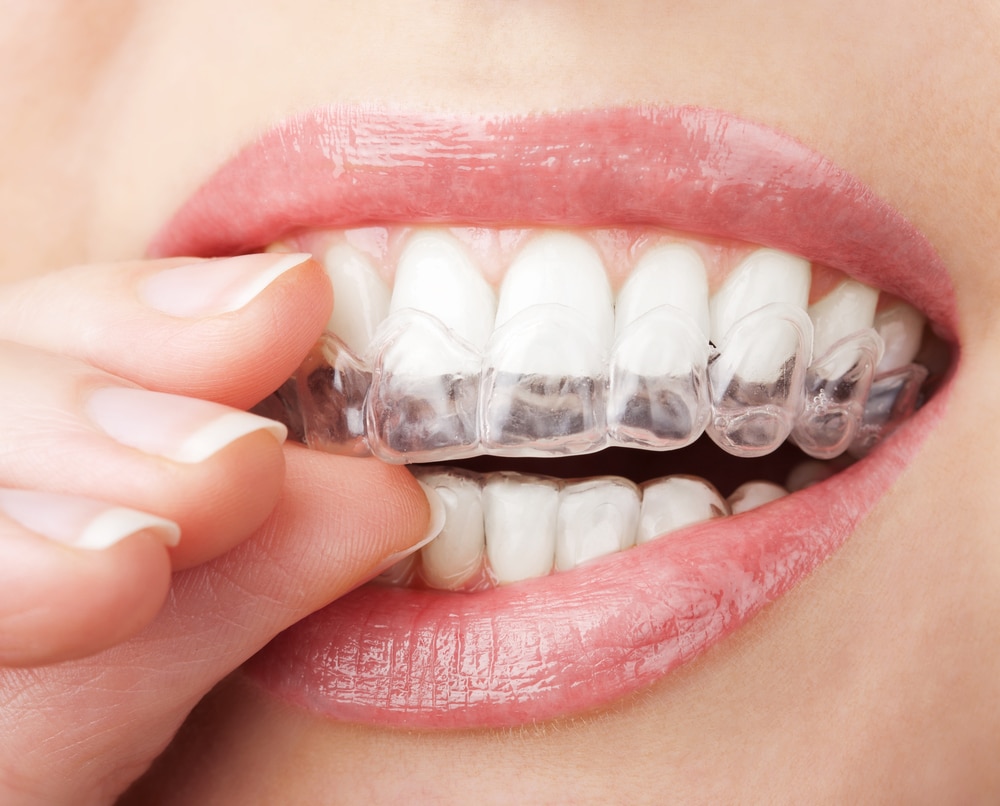
Teeth whitening strips are thin pieces of flexible plastic coated with a whitening gel that typically contains peroxide-based ingredients. The strips are designed to stick directly onto your teeth, allowing the active ingredients to remain in contact with the enamel for a specified period.
Unlike whitening toothpaste that primarily removes surface stains, whitening strips penetrate the enamel to break down deeper discoloration. Most products include separate strips for the upper and lower teeth and require daily application for one to two weeks.
Modern whitening strips are designed to fit comfortably while minimizing slipping during use. Many products also feature no-slip technology, allowing users to speak and perform light activities while wearing them. Their convenience makes them a popular alternative to professional whitening procedures, especially for individuals with busy lifestyles.
How Do Teeth Whitening Strips Work?
The effectiveness of whitening strips comes from peroxide compounds, usually hydrogen peroxide or carbamide peroxide. These ingredients penetrate the tooth enamel and break apart stain molecules responsible for discoloration.
Common causes of tooth staining include:
- Coffee and tea
- Red wine
- Tobacco products
- Colored soft drinks
- Aging
- Certain medications
- Poor oral hygiene
As peroxide reaches below the enamel surface, it lightens both surface stains and deeper discoloration. Most users begin noticing improvements after several applications, with optimal results typically appearing after completing the recommended treatment period.
Maintaining good oral hygiene throughout the whitening process further enhances results by preventing new stains from developing.
Benefits of Teeth Whitening Strips
There are many reasons why millions of people choose teeth whitening strips over other whitening methods.
Affordable Whitening
Professional whitening procedures can be costly, whereas whitening strips provide similar cosmetic improvements at a fraction of the price.
Convenient to Use
Most strips require only 30 to 60 minutes daily and can easily fit into a busy schedule.
Visible Results
Many users notice brighter teeth within one week, with full results appearing after completing the treatment.
Easy Availability
Whitening strips are widely available and require no dental appointment or prescription in most cases.
Comfortable Application
Modern strips are flexible and designed to stay securely in place, reducing discomfort during treatment.
Who Can Benefit from Teeth Whitening Strips?
Whitening strips are ideal for adults experiencing mild to moderate staining caused by everyday habits.
They work particularly well for individuals with:
- Yellow-colored teeth
- Food and beverage stains
- Tobacco-related discoloration
- Age-related staining
- Surface enamel stains
However, whitening strips may not be effective for:
- Dental crowns
- Veneers
- Fillings
- Internal tooth discoloration
- Severe enamel damage
A dental examination can determine whether whitening strips are the best option for your specific situation.
How to Use Teeth Whitening Strips Correctly
Following the manufacturer’s instructions is essential for achieving the best results while minimizing sensitivity.
Step 1: Brush Gently
Brush your teeth approximately 30 minutes before applying the strips. Avoid brushing immediately beforehand, as freshly brushed gums may become more sensitive.
Step 2: Dry Your Teeth
Dry teeth help the strips adhere more securely.
Step 3: Apply the Strips
Place the strip carefully along the front surface of your teeth, pressing gently to ensure full contact.
Step 4: Wait
Leave the strips in place for the recommended duration, usually between 30 and 60 minutes.
Step 5: Remove and Rinse
Remove the strips carefully and rinse your mouth to eliminate any remaining gel.
Consistency is key. Skipping applications may reduce the effectiveness of the treatment.
Comparison of Teeth Whitening Methods
| Whitening Method | Cost | Convenience | Speed of Results | Professional Supervision |
|---|---|---|---|---|
| Teeth Whitening Strips | Low | Excellent | 1–2 Weeks | No |
| Whitening Toothpaste | Very Low | Excellent | Several Weeks | No |
| Whitening Trays | Moderate | Good | 1–2 Weeks | Sometimes |
| In-Office Whitening | High | Excellent | Immediate | Yes |
| Whitening Pens | Low | Good | Several Weeks | No |
Are Teeth Whitening Strips Safe?
When used according to the instructions, teeth whitening strips are generally considered safe for healthy teeth and gums.
Temporary side effects may include:
- Tooth sensitivity
- Mild gum irritation
- Temporary discomfort with cold foods
- Slight whitening unevenness during early treatment
These effects usually disappear shortly after completing the whitening process.
People with gum disease, untreated cavities, cracked teeth, or severe sensitivity should consult a dental professional before beginning any whitening treatment.
Tips for Getting Better Whitening Results
Getting the most from your whitening routine involves more than simply applying the strips.
Helpful tips include:
- Brush and floss daily.
- Reduce coffee and tea consumption during treatment.
- Avoid smoking.
- Drink staining beverages through a straw.
- Rinse your mouth after consuming colored foods.
- Follow the full treatment schedule.
- Avoid exceeding recommended usage.
Maintaining good oral hygiene helps preserve whitening results for longer periods.
Common Mistakes to Avoid
Many users unknowingly reduce the effectiveness of whitening strips by making simple mistakes.
Using Them Too Frequently
More frequent use does not necessarily produce faster results and may increase tooth sensitivity.
Ignoring Instructions
Each product has a recommended wear time. Leaving strips on longer than advised may irritate teeth and gums.
Applying to Dirty Teeth
Food particles can prevent even contact between the whitening gel and the enamel.
Expecting Permanent Results
Whitening naturally fades over time due to eating, drinking, and normal aging. Occasional touch-up treatments help maintain brightness.
How Long Do Whitening Results Last?
The longevity of whitening depends largely on personal habits.
Individuals who avoid staining foods and beverages often maintain their brighter smile for six months or longer. Smokers or frequent coffee drinkers may notice discoloration returning sooner.
To maintain results:
- Brush twice daily.
- Floss regularly.
- Limit highly pigmented beverages.
- Schedule routine dental cleanings.
- Use touch-up whitening treatments occasionally.
A consistent oral care routine significantly extends the effects of whitening.
Who Should Avoid Teeth Whitening Strips?
Although suitable for many adults, whitening strips are not appropriate for everyone.
People who should seek professional advice first include:
- Individuals under the recommended age
- Pregnant or breastfeeding women
- People with severe tooth sensitivity
- Individuals with untreated dental decay
- Those with advanced gum disease
- People with extensive dental restorations
A dentist can recommend safer alternatives when necessary.
Maintaining Your Bright Smile After Whitening
Once you’ve achieved your desired shade, preserving your results becomes the next priority.
Daily habits play a major role in preventing new stains from forming. Drinking water after meals helps wash away staining compounds before they settle on the enamel. Eating crunchy fruits and vegetables such as apples and carrots can also assist in naturally cleaning tooth surfaces. Limiting dark-colored beverages or rinsing your mouth immediately after consuming them reduces the likelihood of discoloration.
Routine dental cleanings remove plaque and tartar that contribute to dull-looking teeth. Combining professional cleanings with excellent home care allows your whitening results to last much longer. Occasional maintenance using teeth whitening strips according to product recommendations can refresh your smile without overusing whitening agents.
Choosing the Right Teeth Whitening Strips
With numerous products available, selecting the right option depends on your individual needs. Consider factors such as peroxide concentration, treatment duration, ease of application, and whether you have sensitive teeth.
If you’re whitening for the first time, choosing a gentler formula may help minimize discomfort while still delivering noticeable results. Those with more stubborn stains may benefit from stronger formulations, provided they follow the instructions carefully. Reading product labels and understanding the intended treatment schedule can help you select a product that aligns with your goals and lifestyle.
Remember that consistency, patience, and proper oral hygiene often have a greater impact on results than choosing the strongest available product.
Conclusion
A brighter smile can significantly boost confidence, and teeth whitening strips offer one of the easiest and most affordable ways to improve the appearance of stained teeth. Their convenience, accessibility, and ability to produce visible results have made them a popular choice for millions of people seeking cosmetic improvements at home.
Although whitening strips are highly effective for many forms of discoloration, achieving the best outcome depends on proper use, realistic expectations, and maintaining excellent oral hygiene. Avoiding excessive staining foods, following the recommended treatment schedule, and practicing good dental care can help your results last for months.
Read more: Which Vitamin Deficiency Causes Hair Loss? A Complete Guide to Healthy Hair