


Introduction
A child’s smile is one of the most important parts of their growth, confidence, and overall health. Early oral care plays a powerful role in ensuring that children develop strong teeth, healthy gums, and positive habits that last a lifetime. Many parents often overlook how crucial early dental guidance can be until problems start appearing. That is why understanding specialized children’s oral care is essential for long-term wellness.
A pediatric dentist focuses on the unique dental needs of infants, children, and teenagers, offering preventive care, treatment, and education tailored specifically for young patients. Unlike general dental care, this field emphasizes behavior management, growth monitoring, and preventive strategies that help children avoid complex issues in the future. Early visits not only protect oral health but also help children feel comfortable in a dental environment.
In this article, we will explore how children’s dental care works, why it matters, what treatments are commonly provided, and how parents can support strong oral hygiene habits from an early age.
Why Specialized Dental Care Matters for Children
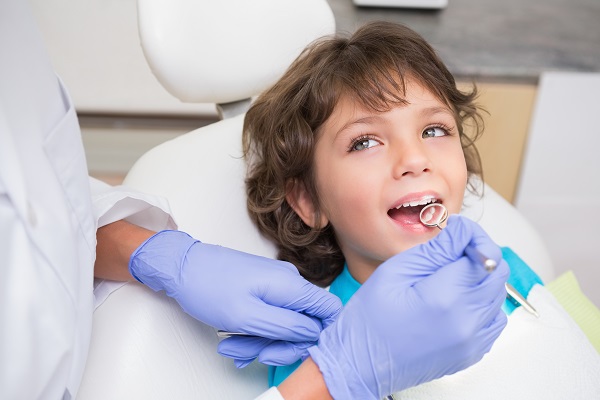
Understanding the Importance of Early Oral Health
Children experience rapid changes in their teeth and jaw structure as they grow. This makes early dental attention essential. Proper care during these formative years helps prevent cavities, gum issues, and alignment problems. A child’s first dental experiences also shape how they view oral care in adulthood.
A pediatric dentist is trained to understand these developmental changes and provide care that matches each stage of growth. They use child-friendly communication and techniques that reduce fear and build trust.
Creating Positive Dental Experiences
Many adults develop dental anxiety because of negative childhood experiences. Specialized care ensures that children feel safe and comfortable during visits. Gentle communication, playful environments, and simple explanations help reduce fear and encourage cooperation.
Children who develop positive early experiences are more likely to maintain regular dental visits as adults, which leads to better long-term oral health.
Stages of Dental Development in Children
Primary Teeth Phase and Early Monitoring
Children begin developing primary teeth within the first year of life. These teeth play an important role in speech development, chewing, and guiding permanent teeth into place. Any issues during this stage can affect future alignment and oral structure.
During this phase, a pediatric dentist monitors tooth eruption, checks for early signs of decay, and advises parents on proper cleaning techniques. Early intervention helps prevent complications later.
Mixed Dentition Stage and Alignment Changes
As children grow, they enter a phase where both primary and permanent teeth exist together. This stage is critical for monitoring spacing, alignment, and bite development. Habits such as thumb sucking or improper brushing can significantly impact dental structure.
A pediatric dentist often evaluates whether orthodontic support may be needed in the future and provides preventive strategies to guide proper alignment.
Permanent Teeth Development
Once permanent teeth begin replacing baby teeth, long-term oral health becomes a priority. Proper hygiene, fluoride treatments, and regular check-ups ensure that these teeth remain healthy for life.
At this stage, education becomes just as important as treatment, as children start taking responsibility for their own oral hygiene routines.
Common Treatments and Dental Procedures for Children
Preventive Care and Routine Check-ups
Preventive care is the foundation of children’s dental health. Regular check-ups help identify issues early and avoid more complex treatments later. Cleanings, fluoride applications, and sealants are commonly used to protect teeth from decay.
A pediatric dentist also educates parents about diet, brushing techniques, and oral hygiene routines that suit their child’s age and development.
Restorative Treatments for Dental Issues
Despite preventive care, children may still experience cavities or minor dental damage. In such cases, restorative treatments such as fillings or crowns are used to repair teeth and restore function.
Orthodontic Guidance and Early Intervention
Early detection of alignment issues can prevent more serious orthodontic problems in the future. Monitoring jaw development and tooth spacing allows timely intervention if needed.
Table: Common Pediatric Dental Treatments Overview
| Treatment Type | Purpose | Benefit for Children |
|---|---|---|
| Fluoride Treatment | Strengthen enamel | Prevents cavities |
| Dental Sealants | Protect molars | Reduces decay risk |
| Fillings | Repair cavities | Restores tooth function |
| Space Maintainers | Maintain tooth spacing | Supports proper alignment |
| Cleanings | Remove plaque buildup | Improves oral hygiene |
Building Strong Oral Habits at Home
Daily Hygiene Practices for Kids
Healthy oral habits begin at home. Parents should encourage children to brush twice daily and floss regularly once teeth start touching. Using age-appropriate toothbrushes and toothpaste helps make the routine easier and more effective.
A pediatric dentist often recommends supervised brushing until children develop proper technique and consistency.
Nutrition and Its Impact on Teeth
Diet plays a significant role in oral health. Sugary snacks and drinks increase the risk of cavities, while fruits, vegetables, and dairy products strengthen teeth and gums. Encouraging balanced eating habits early helps prevent long-term dental issues.
Reducing Harmful Habits
Thumb sucking, nail biting, and excessive bottle feeding can affect dental alignment and structure. Identifying and addressing these habits early helps ensure healthy development.
When Should Children Visit a Dental Specialist?

First Dental Visit Guidelines
Experts recommend that children should visit a dental professional by their first birthday or within six months after the first tooth appears. Early visits help identify potential issues and build familiarity with dental care.
A pediatric dentist ensures that the first experience is gentle, educational, and stress-free, helping children feel comfortable in future visits.
Regular Check-up Schedule
Routine visits every six months are typically recommended for monitoring oral health, preventing cavities, and tracking development.
Warning Signs Parents Should Not Ignore
Parents should seek dental attention if they notice persistent tooth pain, discoloration, difficulty chewing, or swelling in the gums. Early diagnosis can prevent complications and reduce treatment complexity.
Key Takeaways
- Early dental care supports lifelong oral health and confidence
- Preventive treatments reduce the risk of cavities and alignment issues
- Healthy habits at home are essential for strong teeth
- Regular dental visits help monitor growth and development
- Early intervention prevents complex dental problems in the future
FAQs
1. When should a child first see a dentist?
Children should ideally have their first dental visit by age one or within six months of the first tooth appearing.
2. How often should children visit a dentist?
Most children should visit every six months for check-ups and preventive care.
3. What causes cavities in children?
Poor brushing habits, sugary diets, and irregular dental visits are the main causes.
4. How can parents help maintain oral hygiene?
Supervising brushing, encouraging healthy eating, and maintaining regular dental visits are key steps.
5. Are dental X-rays safe for children?
Yes, modern dental X-rays use minimal radiation and are considered safe when necessary.
6. What should I do if my child fears dental visits?
Choose a child-friendly clinic, prepare them positively, and maintain calm reassurance before appointments.
Conclusion
Children’s oral health is a vital part of their overall development and long-term well-being. Establishing strong habits early, maintaining regular check-ups, and encouraging positive dental experiences can significantly reduce future dental issues. With the right care and attention, children can grow up with healthy, confident smiles that last a lifetime.
A pediatric dentist plays a key role in guiding this journey by offering specialized care tailored to children’s unique needs. From preventive treatments to behavioral support, their expertise ensures that every child receives the best possible foundation for lifelong oral health.